Refractory hypotension in amyloidosis patient: A case report
Refractory hypotension in AL amyloidosis
DOI:
https://doi.org/10.54205/ccc.v34.274793Keywords:
AL amyloidosis, Autonomic dysfunction, Hypotension, Case reportAbstract
Background: shock is a critical condition resulting from circulatory failure and is commonly observed in intensive care settings. It arises from four primary mechanisms, including hypovolemic, cardiogenic, distributive, and obstructive shock. However, some cases lack an identifiable cause or present with conditions mimicking sepsis. Rare causes, such as autonomic dysfunction, manifest through cardiovascular abnormalities like orthostatic hypotension and abnormal vasovagal responses. We reported here a case of autonomic dysfunction with amyloidosis due to its uncommon nature and significant influence on mortality rates. Timely and precise diagnosis, coupled with effective treatment, has the potential to be life-saving for the patient.
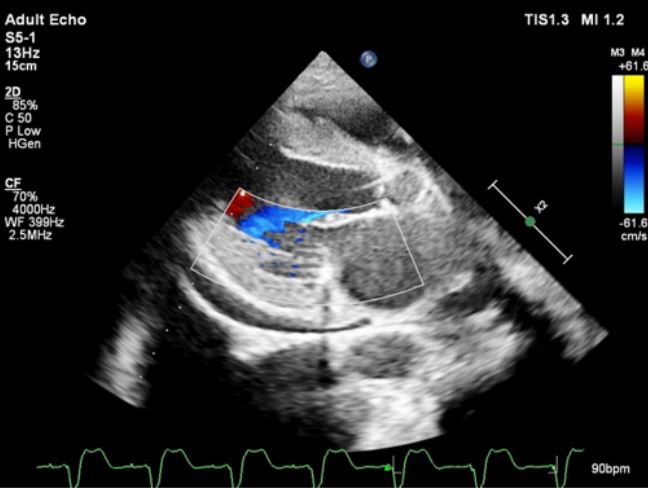
Case presentation: A 73-year-old female with a past medical history of curative breast cancer 15 years ago, sick sinus syndrome status post DDDR 3 years ago, and previous heart failure with an unremarkable coronary angiography result, presented for evaluation of progressive dysphagia. Following admission for esophagogastroduodenoscopy, she developed clinical symptoms consistent with septic shock and acute kidney injury with volume overload, which resolved after appropriate treatment. Subsequently, the patient experienced unexplained hypotension accompanied by periorbital ecchymosis, prompting a skin biopsy, serum protein electrophoresis, and free light chain testing, ultimately leading to a diagnosis of AL amyloidosis. After discussing the treatment plan, the patient opted for palliative care, and pharmacotherapy was provided as part of supportive management.
Conclusion: Refractory hypotension in AL amyloidosis poses a multifaceted clinical challenge, requiring a thorough and individualized treatment approach that considers the unique circumstances and therapeutic requirements of each patient.
Downloads
References
Vincent JL, De Backer D. Circulatory shock. N Engl J Med. 2013;369:1726-34.
Contou D, Roux D, Jochmans S, Coudroy R, Guerot E, Grimaldi D, et al. Septic shock with no diagnosis at 24 hours: a pragmatic multicenter prospective cohort study. Crit Care. 2016;20:360.
Sanchez-Manso JC, Gujarathi R, Varacallo MA. Autonomic dysfunction. StatPearls. Treasure Island (FL); 2025.
Zec S, Mushtaq HA, Khedr A, Jama AB, Rauf I, Mir M, et al. Idiopathic systemic capillary leak syndrome: a rare cause of refractory shock following influenza b infection. J Community Hosp Intern Med Perspect. 2022;12:121-5.
Bou Zerdan M, Nasr L, Khalid F, Allam S, Bouferraa Y, Batool S, et al. Systemic AL amyloidosis: current approach and future direction. Oncotarget. 2023;14:384-94.
Dingli D, Tan TS, Kumar SK, Buadi FK, Dispenzieri A, Hayman SR, et al. Stem cell transplantation in patients with autonomic neuropathy due to primary (AL) amyloidosis. Neurology. 2010;74:913-8.
Ravichandran S, Lachmann HJ, Wechalekar AD. Epidemiologic and survival trends in amyloidosis, 1987-2019. N Engl J Med. 2020;382:1567-8.
Joy M. Neurogenic orthostatic hypotension. N Engl J Med. 2008;358:2298; author reply
Low PA, Gilden JL, Freeman R, Sheng KN, McElligott MA. Efficacy of midodrine vs placebo in neurogenic orthostatic hypotension. A randomized, double-blind multicenter study. Midodrine Study Group. JAMA. 1997;277:1046-51.
Chen JJ, Han Y, Tang J, Portillo I, Hauser RA, Dashtipour K. Standing and supine blood pressure outcomes associated with droxidopa and midodrine in patients with neurogenic orthostatic hypotension: A bayesian meta-analysis and mixed treatment comparison of randomized trials. Ann Pharmacother. 2018;52:1182-94.
Byun JI, Moon J, Kim DY, Shin H, Sunwoo JS, Lim JA, et al. Efficacy of single or combined midodrine and pyridostigmine in orthostatic hypotension. Neurology. 2017;89:1078-86.
Dispenzieri A, Buadi F, Kumar SK, Reeder CB, Sher T, Lacy MQ, et al. Treatment of immunoglobulin light chain amyloidosis: mayo Stratification of Myeloma and Risk-Adapted Therapy (mSMART) Consensus Statement. Mayo Clin Proc. 2015;90:1054-81.
Jensen CE, Byku M, Hladik GA, Jain K, Traub RE, Tuchman SA. Supportive care and symptom management for patients with immunoglobulin light chain (AL) amyloidosis. Front Oncol. 2022;12:907584.
Downloads
Published
How to Cite
Issue
Section
License
Copyright (c) 2026 The Thai Society of Critical Care Medicine

This work is licensed under a Creative Commons Attribution-NonCommercial 4.0 International License.