การพัฒนารูปแบบการพยาบาลทางไกลสำหรับผู้สูงอายุโรคเรื้อรังใน อำเภอสันทราย จังหวัดเชียงใหม่
คำสำคัญ:
รูปแบบการพยาบาลทางไกล, ผู้สูงอายุ, โรคเรื้อรังบทคัดย่อ
การวิจัยในครั้งนี้เป็นการวิจัยเพื่อพัฒนารูปแบบการพยาบาลทางไกลของผู้สูงอายุโรคเรื้อรังในอำเภอสันทราย จังหวัดเชียงใหม่ โดยใช้แนวคิดการพยาบาลทางไกลร่วมกับการใช้กระบวนการพยาบาล (Nursing process) ประกอบด้วย 2 ระยะคือ ระยะที่ 1) ศึกษาหลักการแนวคิด ความเป็นไปได้ในการใช้การพยาบาลทางไกลและสำรวจสภาพปัญหาความต้องการของผู้สูงอายุโรคเรื้อรัง กลุ่มผู้บริหารและพยาบาลวิชาชีพ ระยะที่ 2) นำรูปแบบที่พบในระยะที่1มาศึกษาถึงประสิทธิผลของรูปแบบการพยาบาลทางไกลต่อคุณภาพชีวิตผู้สูงอายุ (การรายงานผลการศึกษาในบทความวิจัยนี้จะรายงานผลเฉพาะในระยะที่1) กลุ่มตัวอย่างคือผู้สูงอายุโรคเรื้อรังในอำเภอสันทราย จำนวน 397 คนโดยการสุ่มอย่างง่าย ใช้แบบสอบถามการพยาบาลทางไกล และมีการสัมภาษณ์เชิงลึกในกลุ่มผู้บริหารและพยาบาลวิชาชีพ ศึกษาระหว่างเดือนธันวาคม พ.ศ. 2565 ถึงเดือนพฤษภาคม พ.ศ. 2566
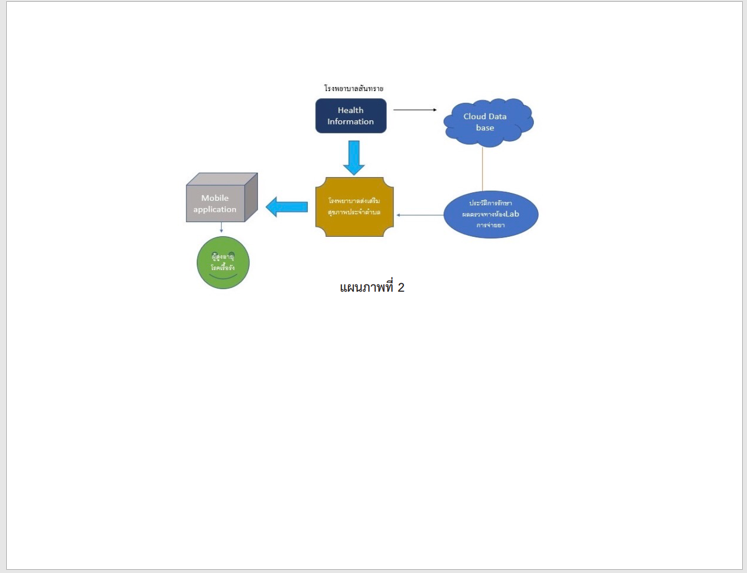
ผลการศึกษาพบปัญหาในการใช้บริการและความต้องการการใช้รูปแบบพยาบาลทางไกล ดังนี้ 1) การเดินทางมารับบริการ มีปัญหาระดับมาก (Mean = 3.50, SD=1.29) 2) การติดตามดูแลจากพยาบาลมีปัญหาระดับปานกลาง (Mean = 2.56, SD=1.03) 3) การได้รับความรู้เกี่ยวกับการดูแลโรคเรื้อรัง มีปัญหาระดับปานกลาง (Mean = 2.56, SD=1.02) 4) ค่าใช้จ่ายในการเดินทางมารับการบริการ มีปัญหาระดับปานกลาง (Mean = 2.87, SD=1.26) 5) ช่องทางการติดต่อสื่อสารกับพยาบาล มีปัญหาระดับปานกลาง (Mean = 2.69, SD=1.12) และผลการสัมภาษณ์เชิงลึก พบว่า ด้านการให้บริการผ่านรูปแบบการพยาบาลทางไกลควรมีรูปแบบที่ชัดเจน เน้นกระบวนการพยาบาลตามแนวทางปฏิบัติของสภาการพยาบาลเบื้องต้น ด้านการรักษาความลับต้องมีการรักษาความลับของผู้สูงอายุโรคเรื้อรัง ด้านงบประมาณ ควรมีการจัดทำนโยบายที่ชัดเจนตั้งแต่ระบบโรงพยาบาลแม่ข่ายถึงลูกข่าย ดังนั้นรูปแบบการพยาบาลทางไกล ประกอบด้วย 1) ระบบการพยาบาลทางไกลในการดูแลผู้สูงอายุโรคเรื้อรัง 2) แอฟพลิเคชันไลน์ ในการกำกับติดตามให้การพยาบาลผู้สูงอายุโรคเรื้อรังตามกระบวนการพยาบาลทั้ง 5 ขั้นตอน 3) คู่มือการปฏิบัติการพยาบาล 4) โปรแกรมฝึกอบรมเพื่อเพิ่มพูนทักษะสำหรับผู้สูงอายุโรคเรื้อรัง
เอกสารอ้างอิง
Department of Older Persons. (2022). Situation of the Thai older persons. Retrieved from https://www.dop.go.th/download/knowledge/th1696238995-2521_0.pdf
Dermkhuntod, N., Kwancharoen, R., Chuantantikamol, C., Paholpak, P., & Suraamornkul, S. (2021). Effects of telehealth monitoring on glycemic control and medication adherence in patients with poorly controlled type 2 diabetes .Vajira Medical Journal, 65 Suppl, S75-S90. [In Thai]
Ministry of Public Health. (2020). Public health statistics A.D. 2019. Retrieved from https://bps.moph.go.th/new_bps/sites/default/files/2563_0.pdf
Mukda, W., & Kuensman, W. (2020). Evaluation of distance medical system to support health care of the elderly In the 21st century to the 12 cities hidden gem. Dusit Thani College Journal, 14(3), 178-197. [In Thai]
Nursing Council. (2021). Announcement of the nursing and midwifery council regarding guidelines for tele-nursing.(Tele -nursing). Royal Gazette, 138(33), 49-51.
Pantasee, P. (2020). Nursing process & functional health pattern: Application in clinical practice (24th ed). Bangkok: Pimlux Publishing.
Potter, P. A., & Perry, A. G. (2005). Basic nursing: Essentials for practice (6 th ed.). St. Louis : Mosby
Rongmuang, D., Sukrungreung, I., Mattayart, S., Sarakshetrin, A., Kunlaka, S., Udompat, P., Samroumram, P., Rajataram, B., & Kanoksilp, A. (2021). The development of telemedicine for caring patients undergoing peritoneal dialysis lesson learned from the COVID-19 pandermic. Journal of Urban Medicine, 17(1), 108-127. [In Thai]
Taweesak, W., (2023). The development of referral for patients with chronic non-communicable diseases using the health network with TELEHEALTH model, Phiboonmangsahan district, Ubon Ratchathani province. Academic Journal of
Community Public Health, 9(1), 148-159. [In Thai]
Thai Gerontology Research Institute Foundation. (2019). Report on the situation of the Thai Older persons. Retrived from https://thaitgri.org/
Thangkratok, P., Palacheewa, N., & Tongtham, A. (2023). Developing competencies for tele-nursing among nursing students in care management for patient with COVID 19 during home isolation. Journal of Nursing and Health, 5(1), 1-16. [In Thai]
Tupanich, W., Chaiyalap, S., & Chaiyalap, K. (2019). Problems and needs of older adults living in urban area Bangkok metropolitan. Vajira Medical Journal: Journal of Urban Medicin, 63 Suppl, S83-S92. [In Thai]
ดาวน์โหลด
เผยแพร่แล้ว
รูปแบบการอ้างอิง
ฉบับ
ประเภทบทความ
สัญญาอนุญาต

อนุญาตภายใต้เงื่อนไข Creative Commons Attribution-NonCommercial-NoDerivatives 4.0 International License.