
A Rare Case of Hallopeau-Type Pemphigus Vegetans with Premalatha Sign: A Case Report and Literature Review
Keywords:
Cerebriform tongue, Premalatha Sign, Pemphigus vegetans, Hallopeau and Neumann type, rituximabAbstract
Pemphigus vegetans (PVeg) is the rarest clinical variant in the pemphigus group of vesiculobullous autoimmune diseases, accounting for less than 2% of all pemphigus cases.1 It is classified into two subtypes: Hallopeau and Neumann, which differ in severity and prognosis. PVeg presents with flaccid bullae or pustules that break down into thickened, papillated plaques, mainly involving the skin folds, scalp, face, and mucous membranes. In some cases, oral lesions may resemble the surface of the brain, a distinctive feature known as the Premalatha sign. The diagnosis of PVeg relies on a combination of clinical presentations, histopathological findings, and laboratory investigations.
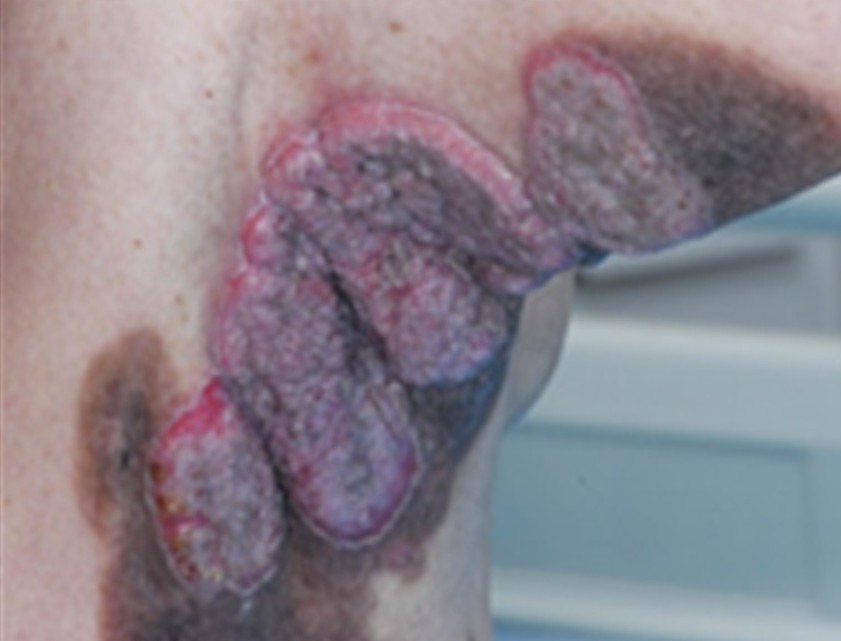
We reported a case of PVeg characterized by involvement of skin folds, oral ulcers, and a cerebriform tongue (Premalatha sign). A tissue sample taken from a lesion in the right groin revealed papillomatous hyperplasia of the epidermis, suprabasal separation with acantholytic cells, and intraepidermal abscesses, consistent with a classic presentation of PVeg. Direct immunofluorescence revealed IgG deposits in the intercellular spaces of the epidermis, while indirect immunofluorescence detected a high titer of pemphigus IgG autoantibodies. Additionally, the anti-desmoglein 3 antibody test was positive. The patient received a three-month regimen of prednisolone and azathioprine, leading to successful treatment without relapse. This outcome confirmed the diagnosis of Hallopeau-type PVeg, which is linked to a more favorable prognosis.
References
Monshi B, Marker M, Feichtinger H, et al. Pemphigus vegetans–immunopathological findings in a rare variant of pemphigus vulgaris. J Dtsch Dermatol Ges 2010;8:179-83.
Pollmann R, Schmidt T, Eming R, Hertl M. Pemphigus: a comprehensive review on pathogenesis, clinical presentation and novel therapeutic approaches. Clin Rev Allergy Immunol 2018;54:1-25.
Ruocco V, Ruocco E, Caccavale S, Gambardella A, Schiavo AL. Pemphigus vegetans of the folds (intertriginous areas). Clin Dermatol 2015;33:471-6.
Balakumaran C, Sivaramakrishnan S, Gayathri S, Mahadhi R. Lingua Plicata: A Precursor of Pemphigus Vegetans. Journal of Clinical & Diagnostic Research. 2023;17:WJ01-WJ02.
Sharma S, Goel A, Bassi R. Lingua plicata in pustular psoriasis: a rare case report. Int J Res Dermatol 2018;4:450-2.
Ahmed AR, Blose DA. Pemphigus vegetans. Neumann type and Hallopeau type. Int J Dermatol 1984;23:135-41.
Pizzariello G, Olivares L, Forero O, D’Atri G, Pardal PF, Anaya J. Retrospective study of Hallopeau-type pemphigus vegetans throughout a 20-year period. Review of the literature. Dermatología Argentina 2011;17:294-300.
Premalatha S. Cerebriform tongue, the history behind the sign. Indian J Dermatol 2014;59:198-9.
Nayak S, Patro S. Pyodermatitis-pyostomatitis vegetans. Indian J Dermatol 2017;62:434-6.
Kanjanapiboon K, Kattipathanapong P. Pemphigus vegetans with Premalatha sign: a case report. Thai J Dermatol 2018;34:163-8.
Cuellar I, Mejia M, Castellanos-Angarita A, Casas-Barrera MA. Hallopeau type of pemphigus vegetans, an unusual clinical presentation of an infrequent disease. Dermatol Online J 2020;26:13030.
Son Y-M, Kang H-K, Yun J-H, Roh J-Y, Lee J-R. The neumann type of pemphigus vegetans treated with combination of dapsone and steroid. Ann Dermatol 2011;23:S310-3.
Peterson JD, Chan LS. Effectiveness and side effects of anti-CD20 therapy for autoantibody-mediated blistering skin diseases: A comprehensive survey of 71 consecutive patients from the Initial use to 2007. Ther Clin Risk Manag 2009;5:1-7.
Downloads
Published
How to Cite
Issue
Section
License
Copyright (c) 2026 Thai Journal of Dermatology

This work is licensed under a Creative Commons Attribution-NonCommercial-NoDerivatives 4.0 International License.
เนื้อหาและข้อมูลในบทความที่ลงตีพิมพ์ในวารสารโรคผิวหนัง ถือเป็นข้อคิดเห็นและความรับผิดชอบของผู้เขียนบทความโดยตรงซึ่งกองบรรณาธิการวารสาร ไม่จำเป็นต้องเห็นด้วย หรือร่วมรับผิดชอบใดๆ
บทความ ข้อมูล เนื้อหา รูปภาพ ฯลฯ ที่ได้รับการตีพิมพ์ในวารสารโรคผิวหนัง ถือเป็นลิขสิทธิ์ของวารสารฯ หากบุคคลหรือหน่วยงานใดต้องการนำทั้งหมดหรือส่วนหนึ่งส่วนใดไปเผยแพร่ต่อหรือเพื่อกระทำการใดๆ จะต้องได้รับอนุญาตเป็นลายลักอักษรจากบรรณาธิการวารสารโรคผิวหนังก่อนเท่านั้น

