
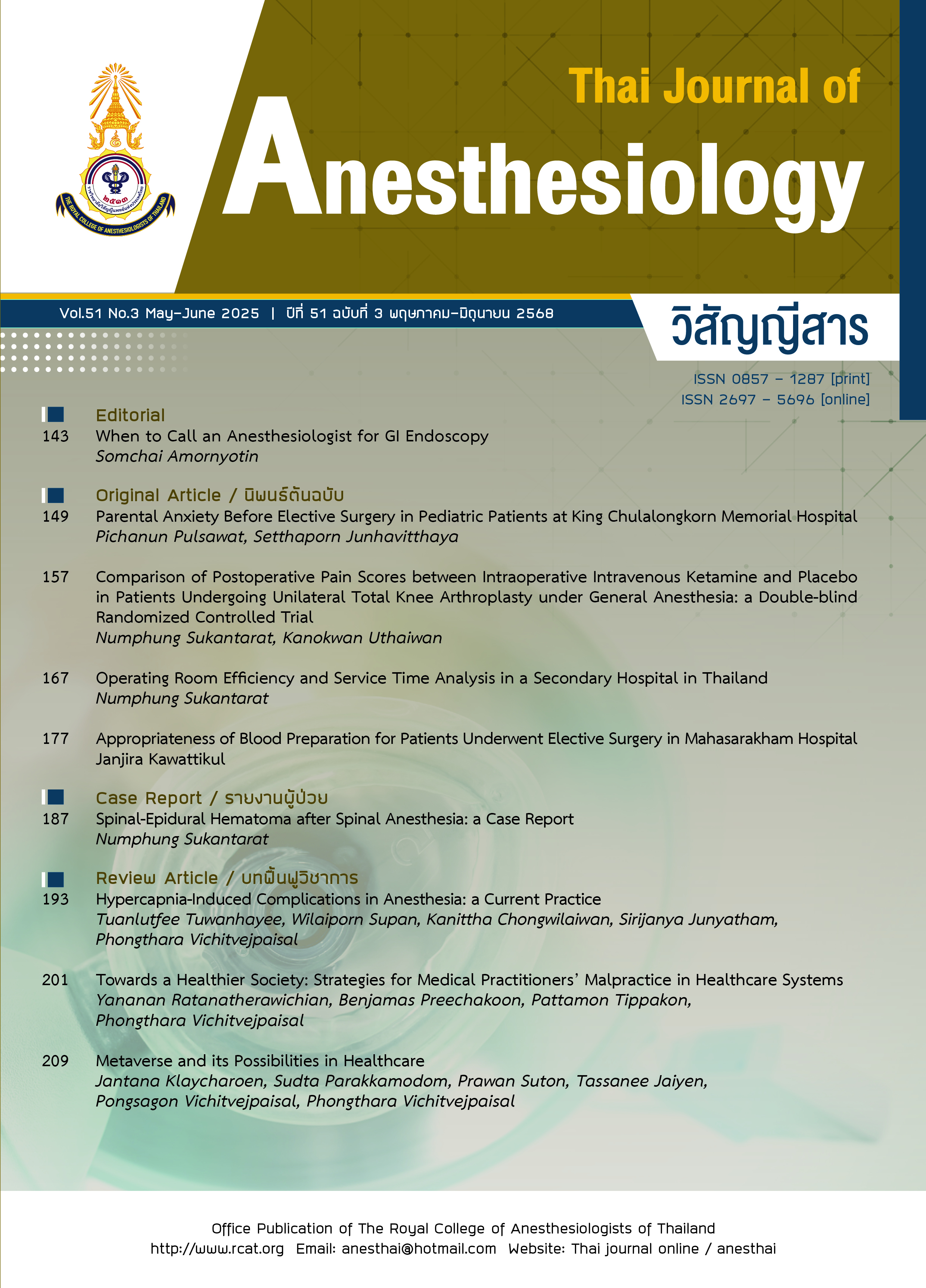
Towards a Healthier Society: Strategies for Medical Practitioners’ Malpractice in Healthcare Systems
Keywords:
accountability, healthcare systems, medical malpractice, patient empowerment, patient safetyAbstract
Medical practitioners’ malpractice represents a complex and pervasive challenge within healthcare systems, encompassing a wide range of behaviors and systemic issues that compromise patient safety and undermine public trust. This article provides a comprehensive examination of medical practitioners’ malpractice, synthesizing existing knowledge with evidence-based strategies and collaborative approaches to address the issue effectively. Various factors contributing to malpractice are identified, including healthcare provider fatigue, communication breakdowns, inadequate training, and organizational culture. Practical recommendations for preventing and mitigating malpractice include enhancing transparency and accountability within healthcare systems, strengthening regulation and oversight of medical practices, fostering a culture of continuous learning and improvement, and empowering patients through shared decision-making. By leveraging collaborative approaches and evidence-based interventions, healthcare organizations, policymakers, and patients can work together to mitigate the risks of malpractice and enhance the quality of care provided to all individuals.
References
Mello MM, Frakes MD, Blumenkranz E, Studdert DM. Malpractice liability and health care quality: a review. JAMA. 2020;323:352-66.
Wu AW, Shapiro J, Harrison R, et al. The impact of adverse events on clinicians: what’s in a name? J Patient Saf. 2020;16:65-72.
Huang ECH, Pu C, Chou YJ, Huang N. Public trust in physicians-health care commodification as a possible deteriorating factor: cross-sectional analysis of 23 countries. Inquiry. 2018;55:46958018759174.
Tsai SF, Wu CL, Ho YY, et al. Medical malpractice in hospitals-how healthcare staff feel. Front Public Health. 2023;11:1080525.
Hanganu B, Iorga M, Muraru ID, Ioan BG. Reasons for and facilitating factors of medical malpractice complaints. What can be done to prevent them? Medicina. 2020;56:259.
van den Goor MM, Wagner CC, Lombarts KM. Poor physician performance in the Netherlands: characteristics, causes, and prevalence. J Patient Saf. 2020;16:7-13.
Dahlawi S, Menezes RG, Khan MA, Waris A, Saifullah, Naseer MM. Medical negligence in healthcare organizations and its impact on patient safety and public health: a bibliometric study. F1000Res. 2021;10:174.
Glaser J, Nouri S, Fernandez A, Sudore RL, Schillinger D, Klein-Fedyshin M, Schenker Y. Interventions to improve patient comprehension in informed consent for medical and surgical procedures: an updated systematic review. Med Decis Making. 2020;40:119-43.
Haque G, Asif F, Ahmed FA, et al. Assessment of patient safety in a low-resource health care system: proposal for a multimethod study. JMIR Res Protoc. 2024;13:e50532.
Kataria S, Ravindran V. Electronic health records: a critical appraisal of strengths and limitations. J. R. Coll. Physicians Edinb. 2020;50:262-8.
Johnston JC, Wester K, Sartwelle TP. Neurological fallacies leading to malpractice: a case studies approach. Neurol Clin. 2016;34:747-73.
Spagnolo EV, Mondello C, Roccuzzo S, et al. Fire in operating room: the adverse “never” event. Case report, mini-review and medico-legal considerations. Leg Med. 2021;51:101879.
Huang HM, Sun FK, Lien YF. Nurse practitioners, medical negligence and crime: a case study. Clin Nurs Stud. 2015;3 :21-8.
Zhuo P, Gao D, Xia Q, Ran D, Xia W. Sciatic nerve injury in children after gluteal intramuscular injection: case reports on medical malpractice. Med Sci Law. 2019;59:139-42.
Perez B, Knych SA, Weaver SJ, et al. Understanding the barriers to physician error reporting and disclosure: a systemic approach to a systemic problem. J Patient Saf. 2014;10:45-51.
Bookman K, Zane RD. Surviving a medical malpractice lawsuit. Emerg Med Clin North Am. 2020;38:539-48.
Solomon RC. Ethical issues in medical malpractice. Emerg Med Clin North Am. 2006;24:733-47.
Denis JL, Usher S, Chambers N. Research Handbook on Leadership in Healthcare. Chapter 4: The role of leaders in implementing health reforms: Edward Elgar Publishing; 2023;p54-74.
World Health Organization. Patient safety incident reporting and learning systems: technical report and guidance. 2020.
Mello MM, Roche S, Greenberg Y, Folcarelli PH, Van Niel MB, Kachalia A. Ensuring successful implementation of communication-and-resolution programmes. BMJ Qual Saf. 2020;29:895-904.
DesRoches CM. Healthcare in the new age of transparency. Seminars in Dialysis; 2020, Wiley Online Library.
Salmon JW, Thompson SL. Medical malpractice crisis: oversight of the practice of medicine. In: The corporatization of American health care: the rise of corporate hegemony and the loss of professional autonomy. Cham: Springer International Publishing; 2021;p139-80.
Mizrak F. Enhancing cybersecurity risk management through conceptual analysis of HRM integration. J Adm Sci. 2024;22:96-118.
Karakose T. The effects of nepotism, cronyism, and political favoritism on the doctors working in public hospitals. Ethno Med. 2014;8:245-50.
Chichi CCC. Corruption and the healthcare sector: overview. South Asian Res J Nurs Health Care. 2023;5:88-93.
Alperay F, Oktay S. The effect of nepotism and its applications leading to ethical collapse in organizational trust: a research on physicians and nurses at a university hospital. Turk J Business Ethics. 2020;13:135-68.
Naher N, Hoque R, Hassan MS, Balabanova D, Adams AM, Ahmed SM. The influence of corruption and governance in the delivery of frontline health care services in the public sector: a scoping review of current and future prospects in low and middle-income countries of south and southeast asia. BMC Public Health. 2020;20:880.
Davidson KW, Mangione CM, Barry MJ, et al. Collaboration and shared decision-making between patients and clinicians in preventive health care decisions and US Preventive Services Task Force Recommendations. JAMA. 2022;327:1171-6.
Downloads
Published
How to Cite
Issue
Section
License

This work is licensed under a Creative Commons Attribution-NonCommercial-NoDerivatives 4.0 International License.
Copyright
Copyright of all articles published in the Thai Journal of Anesthesiology is held by the Thai Journal of Anesthesiology, the Royal College of Anesthesiologists of Thailand. Submission of a manuscript constitutes the authors' agreement that, upon acceptance for publication, copyright of the work is transferred to the Journal. The content and any opinions expressed in published articles are the sole responsibility of the authors and do not necessarily reflect the views of the editorial board or the Royal College of Anesthesiologists of Thailand.
Licensing
All articles are published open access under the Creative Commons Attribution-NonCommercial-NoDerivatives 4.0 International License (CC BY-NC-ND 4.0). Under this license, anyone may copy and redistribute published articles in any medium or format for non-commercial purposes, provided that appropriate credit is given to the authors and to the Thai Journal of Anesthesiology as the original source of publication, a link to the license is included, and the material is not modified in any way. Requests for commercial use or for adaptation of published material should be directed to the editorial office.
Authors' Rights
Although copyright is held by the Journal, authors retain the right to reuse their own published material in their future scholarly works, theses and dissertations, teaching, and academic presentations, and to deposit the final published version (PDF) in institutional or subject repositories or on personal and institutional websites, without embargo, provided that the Thai Journal of Anesthesiology is clearly acknowledged as the original place of publication.