
การเลือกบริโภคอาหารจากธรรมชาติในการควบคุมน้ำหนัก
คำสำคัญ:
ภาวะน้ำหนักเกิน, โรคอ้วน, ลดน้ำหนัก, สารสกัดจากธรรมชาติบทคัดย่อ
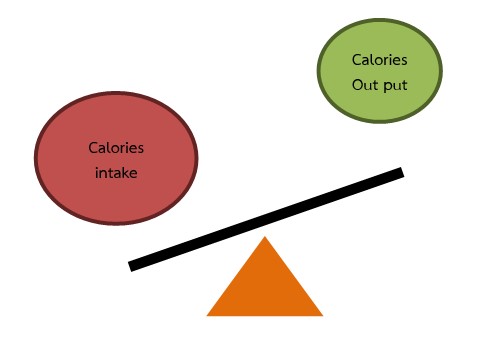
พฤติกรรมการบริโภคอาหารของประชากรในปัจจุบันทำให้เกิดภาวะน้ำหนักเกินเพิ่มมากขึ้นซึ่งเกิดจากการบริโภคอาหารที่ไม่สมดุลจากการได้รับพลังงานมากเกินกว่าการใช้พลังงานของร่างกาย อย่างไรก็ตาม การที่จะการควบคุมน้ำหนักหรือลดน้ำหนักได้นั้นเป็นเรื่องที่ยากจะปรับเปลี่ยนพฤติกรรม จะต้องใช้กระบวนการหรือแนวทางในการปรับเปลี่ยนพฤติกรรมหลายรูปแบบ จึงทำให้กลุ่มคนดังกล่าวมักจะล้มเหลวต่อการลดน้ำหนักหรือควบคุมน้ำหนัก ดังนั้นในปัจจุบันอุตสาหกรรมด้านความงามและอาหารได้มีการพัฒนาอาหารเสริมต่าง ๆ เพื่อใช้ในการควบคุมน้ำหนักหรือลดการบริโภคซึ่งเป็นสารสกัดจากธรรมชาติเพิ่มมากขึ้น อย่างไรก็ตามการที่จะลดน้ำหนักหรือควบคุมน้ำหนักตัวให้อยู่ในเกณฑ์ปกติได้นั้น นอกจากการเลือกรับประทานอาหารต่าง ๆ หรือการบริโภคอาหารเสริมต่าง ๆ แล้วนั้น การปรับเปลี่ยนพฤติกรรมการบริโภคอาหารและการออกกำลังกายให้ได้ในปริมาณที่เหมาะสมก็เป็นสิ่งสำคัญที่จะต้องทำควบคู่ไปด้วย ดังนั้นวัตถุประสงค์ของการเขียนบทความนี้ เป็นการรวบรวมข้อมูลกลุ่มอาหารเสริมที่มีอยู่ในธรรมชาติจาก พืช ผัก และผลไม้ ที่มีสารสำคัญในการช่วยลดน้ำหนัก เช่น สารสกัดจากชาเขียว สารสกัดจากพริก เป็นต้น อีกทั้งยังเป็นการรวบรวมวิธีการลดน้ำหนักหรือควบคุมน้ำหนักที่มีอยู่ในปัจจุบัน และการประยุกต์ใช้ทฤษฎีทางพฤติกรรมศาสตร์ ขั้นตอนการเปลี่ยนพฤติกรรม มาประยุกต์ใช้กับการปรับเปลี่ยนพฤติกรรมในการลดน้ำหนักให้เกิดผลสำเร็จต่อไป
Downloads
เอกสารอ้างอิง
Engin A. The Definition and Prevalence of Obesity and Metabolic Syndrome. Adv Exp Med Biol. 2017;960:1-17. https://doi.org/10.1007/978-3-319-48382-5_1
Prochaska JO, DiClemente CC, Norcross JC. In search of how people change. Applications to addictive behaviors. Am Psychol. 1992;47(9):1102-1114. https://doi.org/10.1037//0003-066x.47.9.1102
Johnson SS, Paiva AL, Cummins CO, et al. Transtheoretical model-based multiple behavior intervention for weight management: effectiveness on a population basis. Prev Med. 2008;46(3):238-246. https://doi.org/10.1016/j.ypmed.2007.09.010
Mastellos N, Gunn LH, Felix LM, Car J, Majeed A. Transtheoretical model stages of change for dietary and physical exercise modification in weight loss management for overweight and obese adults. Cochrane Database Syst Rev. 2014;(2):CD008066. https://doi.org/10.1002/14651858.CD008066.pub3
Karintrakul S, Angkatavanich J. A randomized controlled trial of an individualized nutrition counseling program matched with a transtheoretical model for overweight and obese females in Thailand. Nutr Res Pract. 2017;11(4):319-326. https://doi.org/10.4162/nrp.2017.11.4.319
Hall KD, Heymsfield SB, Kemnitz JW, Klein S, Schoeller DA, Speakman JR. Energy balance and its components: implications for body weight regulation123. Am J Clin Nutr. 2012;95(4):989-994. https://doi.org/10.3945/ajcn.112.036350
Furusaka S, Tochigi K, Yamazaki K, Naganuma T, Inagaki A, Koike S. Estimating the seasonal energy balance in Asian black bears and associated factors. Ecosphere. 2019;10(10):e02891. https://doi.org/10.1002/ecs2.2891
Jensen MD, Ryan DH, Apovian CM, et al. 2013 AHA/ACC/TOS guideline for the management of overweight and obesity in adults: a report of the American College of Cardiology/American Heart Association Task Force on Practice Guidelines and The Obesity Society. Circulation. 2014;129(25 Suppl 2):S102-138. https://doi.org/10.1161/01.cir.0000437739.71477.ee
Paoli A, Rubini A, Volek JS, Grimaldi KA. Beyond weight loss: a review of the therapeutic uses of very-low-carbohydrate (ketogenic) diets. Eur J Clin Nutr. 2013;67(8):789-796. https://doi.org/10.1038/ejcn.2013.116
Moreno B, Bellido D, Sajoux I, et al. Comparison of a very low-calorie-ketogenic diet with a standard low-calorie diet in the treatment of obesity. Endocrine. 2014;47(3):793-805. https://doi.org/10.1007/s12020-014-0192-3
Merra G, Miranda R, Barrucco S, et al. Very-low-calorie ketogenic diet with aminoacid supplement versus very low restricted-calorie diet for preserving muscle mass during weight loss: a pilot double-blind study. Eur Rev Med Pharmacol Sci. 2016;20(12):2613-2621.
Papathanasopoulos A, Camilleri M. Dietary fiber supplements: effects in obesity and metabolic syndrome and relationship to gastrointestinal functions. Gastroenterology. 2010;138(1):65-72.e1-2. https://doi.org/10.1053/j.gastro.2009.11.045
Sakata T. A very-low-calorie conventional Japanese diet: its implications for prevention of obesity. Obes Res. 1995;3 Suppl 2:233s-239s. https://doi.org/10.1002/j.1550-8528.1995.tb00469.x
Miketinas DC, Bray GA, Beyl RA, Ryan DH, Sacks FM, Champagne CM. Fiber Intake Predicts Weight Loss and Dietary Adherence in Adults Consuming Calorie-Restricted Diets: The POUNDS Lost (Preventing Overweight Using Novel Dietary Strategies) Study. J Nutr. 2019;149(10):1742-1748. https://doi.org/10.1093/jn/nxz117
Howarth NC, Saltzman E, Roberts SB. Dietary fiber and weight regulation. Nutr Rev. 2001;59(5):129-139. https://doi.org/10.1111/j.1753-4887.2001.tb07001.x
Prior RL. Anthocyanins and weight loss. CAB Rev Perspect Agric Vet Sci Nutr Nat Resour. 2010;5(029). https://doi.org/10.1079/PAVSNNR20105029
Lehtonen H-M, Suomela J-P, Tahvonen R, et al. Different berries and berry fractions have various but slightly positive effects on the associated variables of metabolic diseases on overweight and obese women. Eur J Clin Nutr. 2011;65(3):394-401. https://doi.org/10.1038/ejcn.2010.268
Stull AJ, Cash KC, Johnson WD, Champagne CM, Cefalu WT. Bioactives in Blueberries Improve Insulin Sensitivity in Obese, Insulin-Resistant Men and Women1234. J Nutr. 2010;140(10):1764-1768. https://doi.org/10.3945/jn.110.125336
Lehtonen H-M, Suomela J-P, Tahvonen R, et al. Berry meals and risk factors associated with metabolic syndrome. Eur J Clin Nutr. 2010;64(6):614-621. https://doi.org/10.1038/ejcn.2010.27
Nilsson A, Salo I, Plaza M, Björck I. Effects of a mixed berry beverage on cognitive functions and cardiometabolic risk markers; A randomized cross-over study in healthy older adults. PloS One. 2017;12(11):e0188173. https://doi.org/10.1371/journal.pone.0188173
Khoo HE, Azlan A, Tang ST, Lim SM. Anthocyanidins and anthocyanins: colored pigments as food, pharmaceutical ingredients, and the potential health benefits. Food Nutr Res. 2017;61(1):1361779. https://doi.org/10.1080/16546628.2017.1361779
Han LK, Takaku T, Li J, Kimura Y, Okuda H. Anti-obesity action of oolong tea. Int J Obes Relat Metab Disord J Int Assoc Study Obes. 1999;23(1):98-105. https://doi.org/10.1038/sj.ijo.0800766
ดาวน์โหลด
เผยแพร่แล้ว
รูปแบบการอ้างอิง
ฉบับ
ประเภทบทความ
สัญญาอนุญาต
บทความที่ได้รับการตีพิมพ์เป็นลิขสิทธิ์ของราชวิทยาลัยจุฬาภรณ์
ข้อความที่ปรากฏในบทความแต่ละเรื่องในวารสารวิชาการเล่มนี้เป็นความคิดเห็นส่วนตัวของผู้เขียนแต่ละท่านไม่เกี่ยวข้องกับราชวิทยาลัยจุฬาภรณ์ และคณาจารย์ท่านอื่น ในราชวิทยาลัยฯ แต่อย่างใด ความรับผิดชอบองค์ประกอบทั้งหมดของบทความแต่ละเรื่องเป็นของผู้เขียนแต่ละท่าน หากมีความผิดพลาดใด ๆ ผู้เขียนแต่ละท่านจะรับผิดชอบบทความของตนเองแต่ผู้เดียว


