ผลของการพัฒนานวัตกรรมงานยกเตาถ่านในร้านบุฟเฟต์ เทศบาลเมือง จังหวัดศรีสะเกษ
คำสำคัญ:
ผลของการพัฒนานวัตกรรมงานยกเตาถ่าน, นวัตกรรมงานยกเตาถ่าน , ร้านบุฟเฟต์บทคัดย่อ
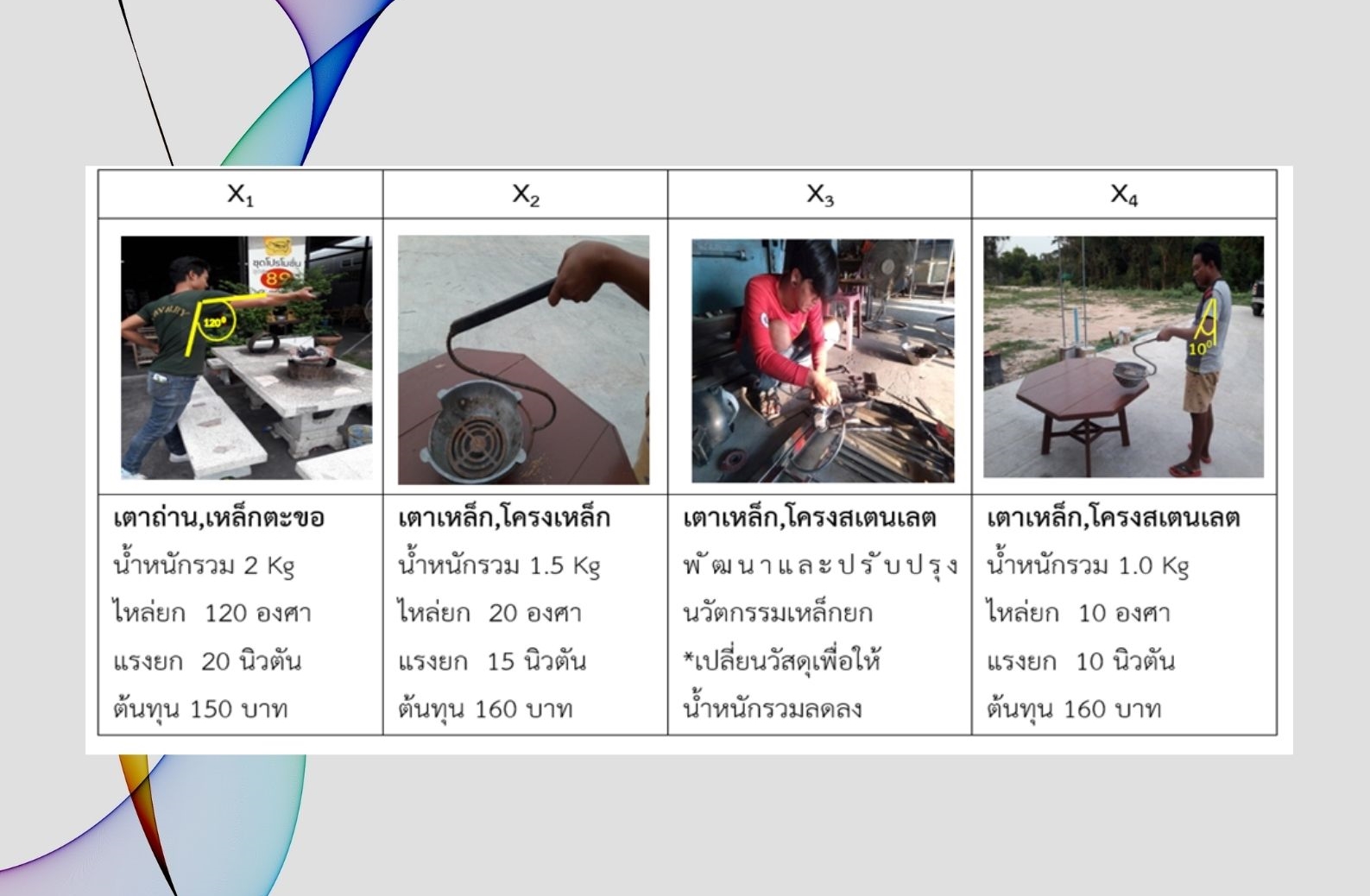
งานวิจัยกึ่งทดลองนี้ใช้กระบวนการศึกษาอย่างเป็นระบบ เพื่อหาสัมพันธ์ระหว่างพฤติกรรมเสี่ยงต่อการปวดเมื่อยกล้ามเนื้อในการทำงานกับอาการผิดปกติบริเวณไหล่ จากการพัฒนานวัตกรรมใหม่ๆ วัดผลนวัตกรรมงานยกเตาถ่านในร้านบุฟเฟ่ต์ แล โดยการเลือกแบบเจาะจงที่สมัครใจเข้าร่วมโครงการจำนวน 10 ร้าน เครื่องมือที่ใช้เป็นแบบสัมภาษณ์ปลายเปิด Standardized-Nordic-Questionnaire, NIOSH Lifting Equation Scoring Sheet และนวัตกรรมงานยกเตาถ่าน ผ่านการวิเคราะห์หาความตรงของเนื้อหาและค่าความเชื่อมั่นของเครื่อง(Reliability)ในส่วนของพฤติกรรมและอาการผิดปกติบริเวณไหล่ เท่ากับ 0.89 และ 0.87 ตามลำดับ วิเคราะห์ข้อมูลโดยใช้สถิติเชิงพรรณนา วิเคราะห์หาความสัมพันธ์ระหว่างตัวแปรด้วยการทดสอบไคสแควร์ที่ระดับนัยสำคัญทางสถิติที่ 0.05
ผลการวิจัย พบว่า กลุ่มตัวอย่างร้อยละ 40 เคยมีอาการปวดกล้ามเนื้อในช่วง 1 เดือนที่ผ่านมา ร้อยละ 100 เคยทานยาแก้ปวด ร้อยละ 90 เคยพบแพทย์และร้อยละ 90 มีอาการปวดกล้ามเนื้อถึงขั้นหยุดงาน พฤติกรรมเสี่ยงต่อการปวดเมื่อยกล้ามเนื้อในการทำงานมีค่าเฉลี่ยเท่ากับ 2.36±0.49 ความเสี่ยงระดับสูง มีอาการผิดปกติบริเวณไหล่ในการทำงานอาการปวดไหล่ร้อยละ100 และผลการประเมินงานยก พบว่า ความเสี่ยงอยู่ในระดับปานกลาง และความสัมพันธ์ระหว่างพฤติกรรมเสี่ยงต่อการปวดเมื่อยกล้ามเนื้อในการทำงานกับอาการผิดปกติบริเวณไหล่ มีความพันธ์อย่างมีนัยสำคัญทางสถิติที่ 0.05 p-Value เท่ากับ 0.012 และผลการประเมินงานยกหลังการพัฒนานวัตกรรม พบว่า ความเสี่ยงอยู่ในระดับต่ำ ในระดับความปลอดภัย
เอกสารอ้างอิง
Watcharaporn Areerattanasak. (2563). Causal Relationship of Service Quality, Satisfaction and Trust
Toward Revisit of Customers on Restaurants Business. Journal of Graduate Studies and Social Science. Uttaradit Rajabhat University.
Chitchai Direkwatanachai. (2364). Causal Factors Inluencing Consumers Purchasing Decision of Ready to Eat Healthy Food in Modern Trade in Bangkok. Dhurakij Pundit University.Suthiparithat Journal. VOL. 35 NO. 1
Tharaphong Wititsan. (2554). Activated Carbon Production and Use. Bangkok. Department of Technical Chemistry. Chulalongkorn University. NO. 2
Chollada Mongkhonvanit. (2562). Key Factors Influencing Thai Customers Decision in Choosing Buffet Service in A Hotel. Journal of Cultural.
Natahapol Polkeaw. (2564). History of lifting the charcoal stove in the buffet. Srisaket. 23 January 2564.
National Statistical Office. (2564). Compensation Fund Office, Statistical Situation of Accidents, or Illness due to work. http://statbbi.nso.go.th/staticreport/page/sector/th/06.aspx
Isareerat Suebsorn. (2556). The Factors Associated with Work-related Musculoskeletal Injuries Among Incense Workers. Nursing Journal, NO. 40.
Daniel P. Armstrong Steven L. (2020). Fischer Understand individual differences in lifting mechanics: Do some people Adopt motor control strategies that minimize biomechanical exposure. Human Movement Science, Volume 74, December, 102689
Kazuyuki Iwakiri. (2021).Evaluation of lifting and lowering velocities while using a patient lift for transfer during nursing care. International Journal of Industrial Ergonomics. Volume 86, November, 103194
Kuorinka, et al. (1987). Nordic Council of Ministers, Standardized Nordic questionnaires for the analysis of musculoskeletal symptoms,
The National Institute for Occupational Safety and Health. (1981). NIOSH Lifting Equation Scoring Sheet,
ดาวน์โหลด
เผยแพร่แล้ว
รูปแบบการอ้างอิง
ฉบับ
ประเภทบทความ
สัญญาอนุญาต
ลิขสิทธิ์ (c) 2022 วารสารสาธารณสุขและวิทยาศาสตร์สุขภาพ

อนุญาตภายใต้เงื่อนไข Creative Commons Attribution-NonCommercial-NoDerivatives 4.0 International License.
บทความทุกบทความที่ได้รับการตีพิมพ์ถือเป็นลิขสิทธิ์ของ วารสารสาธารณสุข