บทบาทของชุมชนในการดูแลหญิงตั้งครรภ์ที่ใช้สารเสพติดโดยการมีส่วนร่วมของชุมชน
คำสำคัญ:
การใช้สารเสพติด, การดูแลหญิงตั้งครรภ์, การมีส่วนร่วมของชุมชนบทคัดย่อ
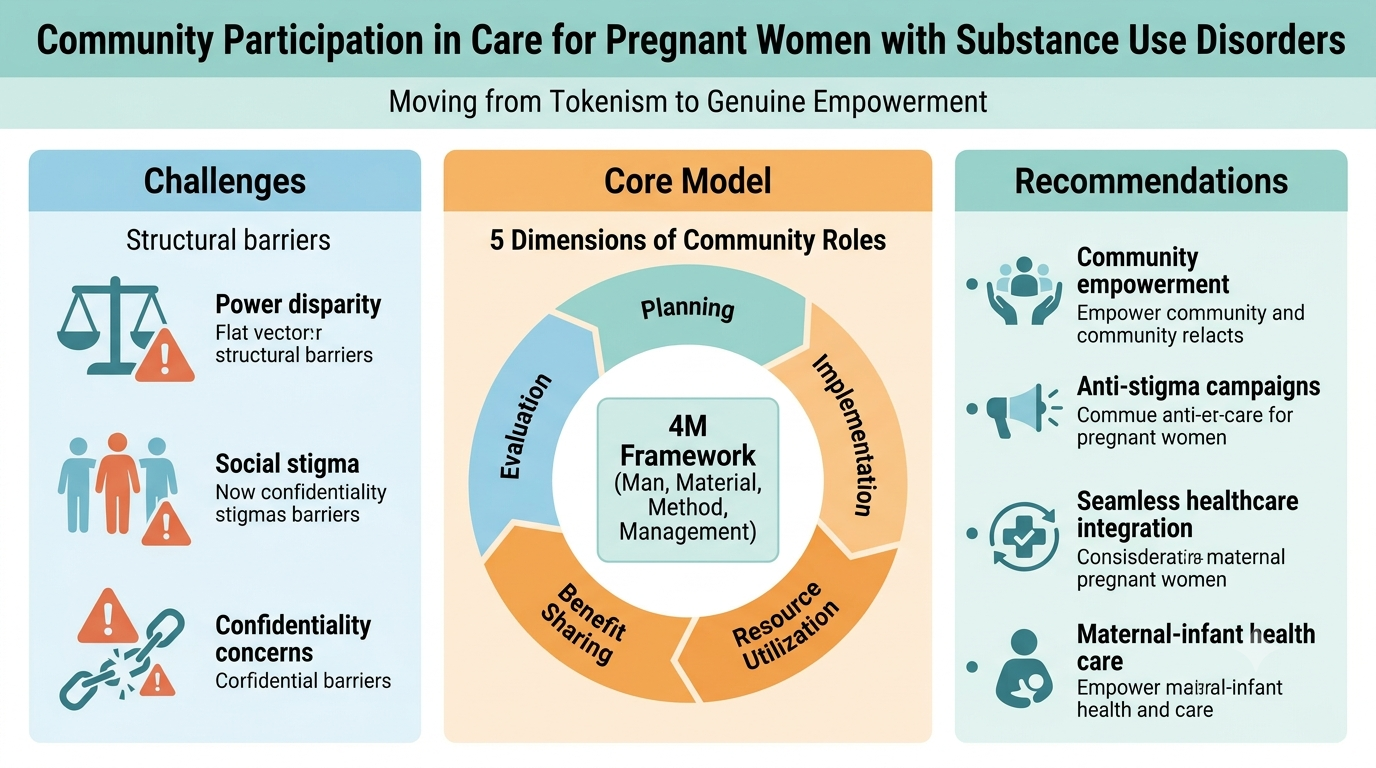
การใช้สารเสพติดในหญิงตั้งครรภ์เป็นปัญหาสาธารณสุขที่มีความซับซ้อนและส่งผลกระทบต่อเนื่องทั้งในมิติสุขภาพและมิติทางสังคมเศรษฐกิจ แม้ว่าทฤษฎีการมีส่วนร่วมของชุมชนจะถูกนำมาใช้เป็นกลไกหลักในการแก้ไขปัญหา แต่หลักฐานเชิงประจักษ์ยังมีความไม่สอดคล้องและมีช่องว่าง เนื่องจากรูปแบบการดำเนินงานส่วนใหญ่ยังติดกับดักการมีส่วนร่วมเชิงสัญลักษณ์ ขาดการเสริมสร้างพลังอำนาจตัดสินใจ บทความนี้มีวัตถุประสงค์เพื่อวิเคราะห์บทบาทของชุมชนในการดูแลหญิงตั้งครรภ์ที่ใช้สารเสพติดและระบุปัจจัยความท้าทายภายใต้กรอบทฤษฎีการมีส่วนร่วมของชุมชน โดยการทบทวนบทความทางวิชาการ รายงานการวิจัย และกรณีศึกษาที่เกี่ยวข้อง ผลการศึกษาพบว่า บทบาทชุมชนในการดูแลหญิงตั้งครรภ์ที่ใช้สารเสพติดปรากฏใน 5 มิติหลัก ได้แก่ การวางแผน การดำเนินงาน การใช้ประโยชน์ การรับผลประโยชน์ และการประเมินผล ผ่านการขับเคลื่อนกลไกโมเดล 4M ทั้งในด้านการส่งเสริมความรอบรู้ด้านสุขภาพ การเฝ้าระวัง การประสานความร่วมมือระหว่างภาคส่วน และการสร้างแรงจูงใจพร้อมการสนับสนุน อย่างไรก็ตาม ข้อค้นพบเชิงวิเคราะห์สำคัญ ชี้ให้เห็นว่าการขับเคลื่อนในพื้นที่ยังเผชิญข้อจำกัดเชิงโครงสร้าง ทั้งความเหลื่อมล้ำเชิงอำนาจ ข้อจำกัดด้านการรักษาความลับ และความเสี่ยงต่อการเกิดตราบาปซ้ำ จึงเสนอแนะการบูรณาการทุนทางสังคม ร่วมกับการปรับปรุงมาตรการลดการตีตรา สร้างระบบการดูแลที่ไร้รอยต่อและยั่งยืนตามบริบททางวัฒนธรรม เพื่อยกระดับจากการมีส่วนร่วมเชิงสัญลักษณ์ไปสู่การเสริมพลังอำนาจ อันจะนำไปสู่ระบบบริการสุขภาพที่ยกระดับคุณภาพชีวิตของมารดาและทารกอย่างเป็นรูปธรรม
เอกสารอ้างอิง
Arnstein, S. R. (1969). A ladder of citizen participation. Journal of the American Institute of Planners, 35(4): 216–224.
Bouneaw, J. (2007). The Participation in Research for Locally. Chiang Mai: Chiang Mai University. (In Thai)
Chusri, K. (2024). Model of prevention, solving and treatment of drug addict by communities and network partners participation in Ban Thung Mae Bua, Khlong Hoi Khong District, Songkhla Province. In The 15th Hatyai National and International Conference (pp. 539-552). Songkhla, Thailand: Hatyai University. (in Thai)
Heidarifard, S., & Khoshnamrad, M. (2025). Assessing supportive needs in pregnant women with substance use, a qualitative study. AJOG Global Reports, 5(3): 1-6.
Laslett, A. M., Rankin, G., Waleewong, O., Callinan, S., Hoang, H. T. M., Florenzano, R., Hettige, S., Obot, I., Siengsounthone, L., Ibanga, A., Hope, A., Landberg, J., Vu, H. T. M., Thamarangsi, T., Rekve, D., & Room, R. (2017). A Multi-Country Study of Harms to Children Because of Others' Drinking. J Stud Alcohol Drugs, 78(2): 195-202.
National Institute of Drug Abuse Treatment and Rehabilitation (NIDA). (2024). Treatment by enhancing the motivation of drug and substance users. Pathum Thani: Department of Medical Services, Ministry of Public Health. (in Thai)
Northern Substance Abuse Academic Center, Social Research Institute. (2022). Report on the situation of drug problems 2022. Chiang Mai: Chiang Mai University. (in Thai)
Office of the Narcotics Control Board (ONCB). (2022). Thailand narcotics control annual report 2022. Bangkok: Ministry of Justice. (in Thai)
Office of the Secretary of National Addiction treatment & Rehabilitation Committee. (2023). Report on the drug addiction treatment situation in pregnant women. Nonthaburi: Ministry of Public Health. (in Thai)
Powwattana, A., Kalampakorn, S., Lagampan, S., & Amnatsatsue, K. (2011). Health promotion and disease prevention in community: an application of concepts and theories to practice (2nd ed.). Khon Kaen: Khlangnanavittaya Printing. (in Thai)
Puncheuy, S. (2023). Effects of Maternal Methamphetamine Use on the Child. Krabi Medical Journal, 6(2): 115-118. (in Thai)
Putnam, R. D. (1993). The prosperous community: Social capital and public life. The American Prospect, 4(13): 35–42.
Ratchathawan, R., Kaewkrajok, T., Jongkatekit, W., Phromkaew, P., Sumdangsan, D., & Thonglert, D. (2018). The community participation process in well-being development. Journal of Southern Technology, 11(1), 225–232. (in Thai)
Ritsri, N., Wattanapraphaijit, S., & Junharn, S. (2022). The community-based treatment and care model for drug rehabilitation: A case study in a village, Mueang District, Mahasarakham Province. Mahasarakham Hospital Journal, 19(2): 164–173. (in Thai)
Stone, R. (2015). Pregnant women and substance use: Fear, stigma, and barriers to care. Health & Social Work, 40(1): 15-21.
Sukee, S. (2024). The development of care model for pregnant women used methamphetamine during pregnancy in public hospitals in Phetchabun Province. Journal of Khon Kaen Provincial Health Office, 6(4): 1-16. (in Thai)
Tongmuangtunyatep, K., Dekyong, E., Yodwong, A., Thongsukdee, T., & Sanongkhun, P. (2019). Factors Predicting Preeclampsia among Pregnant Women in Sawanpracharak Hospital. Songklanagarind Journal of Nursing, 42(1): 11-22. (in Thai)
United Nations Office on Drugs and Crime. (2024). World drug report 2024. Vienna: Author.
Waiketkarn, A. (2021). Maternal and fetal outcomes in pregnant women who use methamphetamine during pregnancy. Mahasarakham Hospital Journal, 18(2): 105–111. (in Thai)
Wright, T. E., Schuetter, R., Tellei, J., & Sauvage, L. (2015). Methamphetamines and pregnancy outcomes. Journal of Addiction Medicine, 9(2): 111–117.
World Health Organization. (2020). Guidelines for the Identification and Management of Substance Use in Pregnancy. Geneva: WHO Press.
ดาวน์โหลด
เผยแพร่แล้ว
รูปแบบการอ้างอิง
ฉบับ
ประเภทบทความ
สัญญาอนุญาต
ลิขสิทธิ์ (c) 2026 วารสารสาธารณสุขและวิทยาศาสตร์สุขภาพ

อนุญาตภายใต้เงื่อนไข Creative Commons Attribution-NonCommercial-NoDerivatives 4.0 International License.
บทความทุกบทความที่ได้รับการตีพิมพ์ถือเป็นลิขสิทธิ์ของ วารสารสาธารณสุข