การประเมินความพร้อมการใช้เทคโนโลยีดิจิทัลเพื่อการดูแลสุขภาพช่องปากในผู้สูงอายุไทย
คำสำคัญ:
เทคโนโลยีดิจิทัล, ผู้สุงอายุ, สุขภาพช่องปากบทคัดย่อ
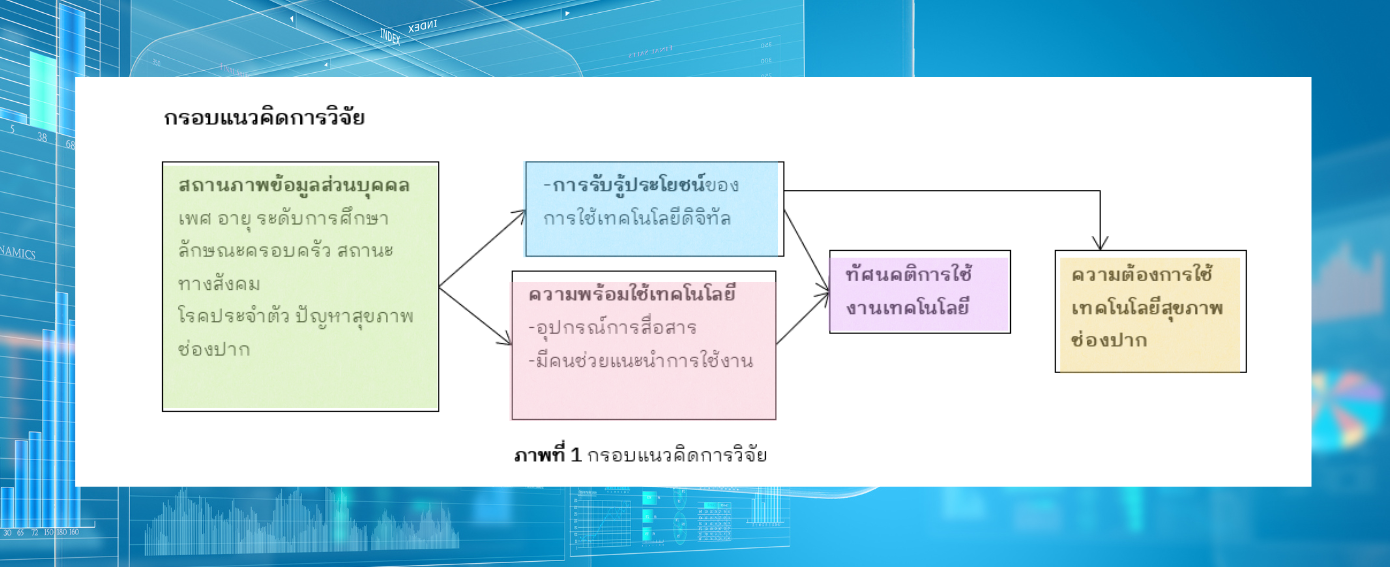
การวิจัยนี้มีวัตถุประสงค์ 1) เพื่อศึกษาความพร้อมของผู้สูงอายุต่อการใช้เทคโนโลยีดิจิทัลในการดูแลสุขภาพช่องปาก 2) เพื่อศึกษาความสัมพันธ์ระหว่างข้อมูลผู้สูงอายุ ทัศนคติการใช้เทคโนโลยีสุขภาพช่องปากกับการใช้อุปกรณ์สื่อสารที่เข้าถึงเทคโนโลยีดิจิทัล การรับรู้ประโยชน์เทคโนโลยีดิจิทัลของผู้สูงอายุ และ 3)ศึกษาความต้องการใช้เทคโนโลยีสุขภาพช่องปากกับทัศนคติในการใช้เทคโนโลยีดิจิทัลและการรับรู้ประโยชน์ในการใช้เทคโนโลยีดิจิทัลในการดูแลสุขภาพช่องปากผู้สูงอายุ เพื่อเป็นแนวทางใช้วางแผนจัดการส่งเสริมพัฒนาเทคโนโลยีดิจิทัลเพื่อการดูแลสุขภาพช่องปากได้อย่างเหมาะสม กลุ่มตัวอย่างคือผู้สูงอายุอายุ 60-79 ปี จำนวน 3,520 คน เก็บข้อมูลด้วยแบบสอบถามโดยสุ่มตัวอย่างแบบลำดับชั้น เริ่มจากสุ่มเลือก 8 จังหวัดจาก 4 ภูมิภาค แล้วสุ่มตำบลในเขตและนอกเขตเทศบาลอย่างละ 2 ตำบล จากนั้นสุ่มตัวอย่างผู้สูงอายุที่อาศัยในพื้นที่ไม่น้อยกว่า 6 เดือน อ่านออกเขียนได้ และไม่มีภาวะพึ่งพิง (ADL ไม่รวมติดบ้าน ติดเตียง) ที่สามารถตอบแบบสอบถามได้ตลอดการสัมภาษณ์โดยมีเจ้าหน้าที่สาธารณสุขประสานงานในพื้นที่ สถิติที่ใช้ในการศึกษา ได้แก่ ค่าความถี่ ร้อยละ ค่าเฉลี่ย ค่าเบี่ยงเบนมาตรฐาน การทดสอบหาความแตกต่างค่าที และค่าสถิติไคว์แสควร์ ผลการวิจัยพบว่า ลักษณะทั่วไปของผู้สูงอายุ ส่วนใหญ่เป็นเพศหญิง อายุระหว่าง 66-79 ปี การศึกษาส่วนใหญ่อยู่ในระดับไม่เคยเรียนหรือประถมศึกษา ครอบครัวส่วนใหญ่มีลักษณะอยู่ร่วมกับหลายคนหลายวัย การใช้เทคโนโลยีดิจิทัล ผู้สูงอายุ ร้อยละ 58.3 มีอุปกรณ์สื่อสารที่เข้าถึงเทคโนโลยีดิจิทัล การใช้เทคโนโลยีด้วยตนเองมีความเกี่ยวข้องกับอายุ การศึกษา และลักษณะครอบครัว โปรแกรมยอดนิยมที่ใช้บ่อย ได้แก่ Line, YouTube, และ Facebook โปรแกรมที่ใช้น้อย ได้แก่ แอปธนาคาร, Google และ Netflix การรับรู้ประโยชน์จากเทคโนโลยี ผู้สูงอายุรับรู้ประโยชน์ในระดับสูง โดยเฉพาะการติดต่อกับครอบครัวและการใช้เพื่อความบันเทิง ทัศนคติการใช้เทคโนโลยีสุขภาพอยู่ในระดับสูง เช่น การใช้แอปพลิเคชันสุขภาพเพื่อปรึกษาและดูแลสุขภาพ ความต้องการใช้เทคโนโลยีสุขภาพช่องปาก ผู้สูงอายุ ร้อยละ 52.4 ต้องการใช้แอปพลิเคชันดูแลช่องปาก เช่น การจองคิวนัดหมายและปรึกษาปัญหาช่องปากผ่านสมาร์ทโฟน
เอกสารอ้างอิง
References
เฉลิมพงษ์ ลินลา. (2558). ปัจจัยที่มีผลต่อพฤติกรรมการใช้แอปพลิเคชันในสมาร์ทโฟนและแท็บเล็ตของ
ผู้สูงอายุ ในกรุงเทพมหานคร. วิทยทนิพนธ์วิศวกรรมมหาบัณฑิต, มหาวิทยาลัยเทคโนโลยีราช
มงคลธัญบุรี.
กฤษณาพร ทิพย์กาญจนเรขา, ศิริธร ยิ่งเรงเริง, จันทิมา เขียวแก้ว, กันยารัตน์ อุบลวรรณ, เนติยา แจ่ม
ทิม และวรนาถ พรหมศวร. (2560). พฤติกรรมการแสวงหาข้อมูลสุขภาพจากสื่อออนไลน์และสื่อสังคมของ ผู้สูงอายุตามระดับการรับรู้ภาวะสุขภาพ. วารสารวิจัยทางวิทยาศาสตร์, 11 (ฉบับพิเศษ), 12-22.
กันตพล บรรทัดทอง. (2558). พฤติกรรมการใช้เครือข่ายสังคมออนไลน์และความพึงพอใจของกลุ่มคน
ผู้สูงอายุในเขตกรุงเทพมหานคร. วิทยานิพนธ์นิเทศศาสตรมหาบัณฑิต, มหาวิทยาลัยกรุงเทพ.
จิตรา วรรณสอน. (2562). รูปแบบการทำตลาดแบบเนื้อหาบนสื่อสังคมออนไลน์เพื่อกลุ่มเจเนอเรชันซี
(Z). ใน รายงานการประชุมการประชุมวิชาการระดับชาติและนานาชาติ ครั้งที่ 14. กรุงเทพฯ:
มหาวิทยาลัยศรีปทุม.
ณิชกุล เสนาวงษ์. (2564). การศึกษาพฤติกรรมการใช้สื่อสังคมออนไลน์ของคนเจนเนอเรชั่นแซด ในยุค
New Normal ในกรุงเทพมหานคร. วิทยานิพนธ์บริหารธุรกิจมหาบัณฑิต, มหาวิทยาลัยสยาม.
ธัญรัศมิ์ เศรษฐสิริวุฒิ และ สุรมน จันทร์เจริญ. (2565). รูปแบบการเพิ่มความสามารถในการใช้
เทคโนโลยีเพื่อการสื่อสารสำหรับผู้สูงอายุ ในยุคความปกติใหม่. วารสารสมาคมนักวิจัย, 27 (4),
-67.
ธามม วงศ์สรรคกร, ชาญเดช เจริญวิริยะกุล และอัครมณี สมใจ. (2566). การรับรู้ประโยชน์ทัศนคติและ พฤติกรรมการใช้สื่อออนไลน์ของผู้สูงอายุ. วารสารรัฐประศาสนศาสตร์ มหาวิทยาลัยราชภัฏ
สวนสุนันทา, 6 (1), 168-179.
บุญทิพย์ สิริธรังศรี และชุติวัฒน์ สุวัตถิพงศ์. (2566). ผู้สูงอายุในยุคดิจิทัล: ความท้าทายทางสุขภาพ.
วารสารสุขภาพและอาหารเชิงสร้างสรรค์, 1(1), 51-63.
พนม คลี่ฉายา. (2564). การเพิ่มความสามารถในความรอบรู้ทางดิจิทัลและการรู้เท่าทันที่มีต่อความ
ผูกพันและความเสี่ยงจากการใช้สื่อสังคมออนไลน์ของประชาชน. กรุงเทพฯ : จุฬาลงกรณ์มหาวิทยาลัย.
รุจา รอดเข็ม และสุดารัตน์ ไชยประสิทธิ์. (2562). สังคมสูงวัย: เทคโนโลยีกับผู้สูงอายุ. วารสารวิชาการ มหาวิทยาลัยอีสเทิร์นเอเชีย ฉบับวิทยาศาสตร์และเทคโนโลยี, 13 (2), 36-45.
วิศปัตย์ ชัยช่วย. (2560). การใช้LINEของผู้สูงอายุ: การศึกษาเชิงปรากฏการณ์วิทยา. Veridian
E-Journal, Silpakorn University, 10(1), 905-918.
วีรณัฐ โรจประภา. (2560). พฤติกรรมการใช้เทคโนโลยีที่มีผลตต่อระดับความสุขของผู้สูงอายุ
ในเขตกรุงเทพมหานคร. วิทยานิพนธ์ปริญญาดุษฎีบัณฑิต, มหาวิทยาลัยศรีปทุม.
สมาน ลอยฟ้า. (2554). ผู้สูงอายุกับเทคโนโลยีสารสนเทศ. วารสารสารสนเทศศาสตร์, 29(2), 53-64.
สารัช สุธาทิพย์กุล และพิทักษ์ ศิริวงศ์. (2560). สภาพปัญหา และการเรียนรู้การใช้เทคโนโลยีของ
ผู้สูงอายุ กรณีศึกษา ผู้สูงอายุที่ใช้สมาร์ทโฟนในพื้นที่บริเวณโดยรอบพระปิ่นเกล้า เขตบางกอก
น้อย จังหวัดกรุงเทพมหานคร. วิทยานิพนธ์ปริญญามหาบัณฑิต, มหาวิทยาลัยศิลปากร.
สำนักงานส่งเสริมเศรษฐกิจดิจิทัล. (2563). โอกาสในเศรษฐกิจเงินสีเงิน. สืบค้นเมื่อ สิงหาคม 2021 จาก https://www.depa.or.th/th/article-view/article5-2563.
สำนักทันตสาธารณสุข กรมอนามัย. (2566). รายงานสภาวะสุขภาพช่องปากระดับประเทศครั้งที่ 9
ประเทศไทย พ.ศ. 2566. นนทบุรี: สำนักพิมพ์อักษรกราฟิกแอนด์ดีไซน์.
อธิชา วุฒิรังสี. (2564). การรู้เท่าทันสื่อดิจิทัลของผู้สูงอายุ. วารสารสหศาสตร์, 21(1), 90-106.
อารี ศรีแจ่ม และธันย์พัทธ์ ไคร้วานิช. (2562). ปัจจัยที่ส่งผลต่อการเข้าถึงเทคโนโลยีของผู้สูงอายุในยุค
ดิจิทัล. วิทยานิพนธ์เศรษฐศาสตรมหาบัณฑิต, มหาวิทยาลัยรังสิต.
Davis, F. D. (1989). Perceived usefulness, perceived ease of use, and user acceptance of information technology. MIS Quarterly, 13(3), 319-340.
SDG MOVE.com, People who are poorer - study less in Japan. Access to treatment and
prevention services for oral and dental diseases is slower. Retrieved 10 July 2021. From https://www.sdgmove.com/2021/07/01/lower-income-and-education-linked-to- inequality-dental-care-in-japan
Venkatesh, V., & Bala, H. (2008). Technology Acceptance Model 3 and a research agenda on
interventions. Decision Sciences, 39 (2), 273-315.
ดาวน์โหลด
เผยแพร่แล้ว
รูปแบบการอ้างอิง
ฉบับ
ประเภทบทความ
สัญญาอนุญาต
ลิขสิทธิ์ (c) 2025 วารสารสาธารณสุขและวิทยาศาสตร์สุขภาพ

อนุญาตภายใต้เงื่อนไข Creative Commons Attribution-NonCommercial-NoDerivatives 4.0 International License.
บทความทุกบทความที่ได้รับการตีพิมพ์ถือเป็นลิขสิทธิ์ของ วารสารสาธารณสุข