Effects of Weight Control Program with Line Application on Food Consumption Behavior and Physical Activity Behavior among Overweight Secondary School Students, Chonburi Province
Keywords:
Weight Control Program, Line Application, Food Consumption Behavior, Physical Activity Behavior, High School StudentsAbstract
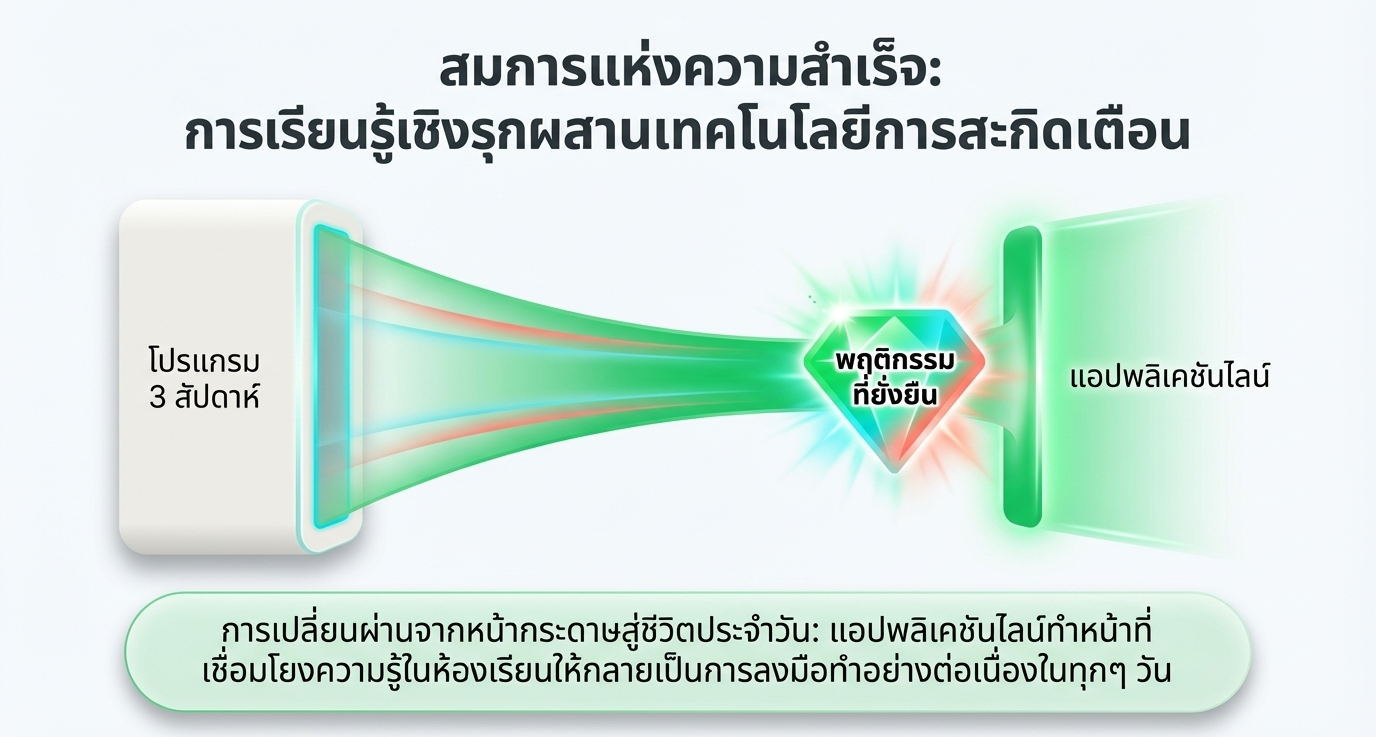
This quasi-experimental two-group study aimed to examine the effects of a weight control program combined with the use of the LINE application on consumption behaviors and physical activity behaviors among overweight secondary school students in Chonburi Province. The sample consisted of 72 students in grades 7–9 during the 2024 academic year who were selected by simple random sampling based on the following criteria 1) being overweight or obese, 2) ability to read and write and 3) owning a smartphone and assigned to an experimental group and a control group, 36 students in each group. The experimental group received an 8-week weight-control program comprising education on obesity, nutrition based on the nutrition flag, promotion of physical activity, and social support via the LINE application. A questionnaire on consumption behaviors and physical activity behaviors was used as the research instrument with a content validity (CVI) of .94 and Cronbach's alpha coefficient of .85 and .80, respectively. Data were analyzed using descriptive statistics and comparison of mean scores within and between groups by dependent and independent t-tests.
The results showed that, after the intervention, the experimental group had significantly higher mean scores for consumption behaviors and physical activity behaviors than before the intervention and then the control group at the 0.05 level, indicating that the weight control program combined with the LINE application was effective in modifying health behaviors among overweight students. Health personnel can apply this program in collaboration with teachers to organize activities that effectively promote changes in students' dietary and physical activity behaviors in school settings.
References
Bandura, A. (1997). Self-efficacy: The Exercise of Control. New York: W.H. Freeman.
Best, J. W. (1977). Research in Education. Prentice Hall.
Bureau of Nutrition, Department of Health. (2024). Management of Overnutrition in Children in School. Bangkok: Minnie Group. (in Thai)
Bureau of Nutrition, Department of Health. (2024). Manual of guidelines for childhood obesity management for health care services. Bangkok: Minnie Group. (in Thai)
Chenglai, N. (2021). Effect of Weight Loss Program in Thailand 4.0 Era on Body Weight of Overweight Teenage in Trang Province. Journal of Sakon Nakhon Hospital. 24(3), 23-33. (in Thai)
Eakpalakorn, W. (2023). Thai Population Health Survey by 6Th Physical Examination Report. Bangkok: Faculty of Medicine, Mahidol University. (in Thai)
House J. (1981). Work stress and social support. California: Addision Wesley.
Khaikham, P., Jantacumma, N., & Waelveerakup, W. (2022). The Effects of a Self –Efficacy Developing Program to Control Obesity among Secondary School Students at Chiang rai Municipality. Chiangrai Medical Journal. 14(3), 143-154. (in Thai)
Khumlue, K. (2018). The Effects of Health Promotion Program on Behavioral Modification for Weight Control Among Overweight Chomchonbanlung School, Chiang Muan District, Phayao Province. (Master’s thesis). University of Phayao, Thailand. (in Thai)
Likhitweerawong, N., Boonchooduang, N., Kittisakmontri, K., Chonchaiya, W., & Louthrenoo, O. (2021). Effectiveness of mobile application on changing weight, healthy eating habits, and quality of life in children and adolescents with obesity: a randomized controlled trial. BMC pediatrics, 21(1), 1-9.
Phetkong, C., & Banchonhattakit, P. (2019). Effects of Health Literacy Promoting Program with Social Media Used on Obesity Prevention Behavior among Overweight Mattayomsuksa 2 Students. Journal of Health Education, 42(2), 23-32. (in Thai)
Somtua, J. (2024). Online social media usage behavior and health promotion of teenagers. Journal of Preventive Medicine Association of Thailand, 14(3), 514-527 (in Thai)
Srithanya, S., Kittiboontawam, P., & Dodsakul, Y. (2023). The Effects of Using Line Application Program on The Eating Behavior and Physical Activity of Overweight Late Primary School-Aged Children. Journal of Health and Nursing Research. 39(1), 147-158. (in Thai)
Strategy and Planning Division, Ministry of Public Health. (2025). Report System Health Data Center (HDC). Retrieved 13 April, 2025 from https://dashboard.anamai.moph.go.th/dashboard/overweightstudent/ampur?year=2021&kid=134&cw=20
Thongsang, P. (2021). Effects of The Self-Efficacy Proram for Nutrition Management n Dietary Behaviors and Body Mass Index of Overweight Grade 11 Student. (Master’s thesis). Naresuan University , Thailand. (in Thai)
Vaidya, V., Gupta, P., Chawla, V., Singh, M., Arya, S., Yadav, R. K., Sharma, R. & Jain, V. (2026). Smartphone applications-based intervention to reduce body mass index and improve health-related behavior among children with overweight/obesity: a pilot clinical trial. Indian Journal of Pediatrics, 93(1), 23-29. https://doi.org/10.1007/s12098-024-05402-9
Wisapha, C., Wiroonpanich, W., & Wattanasit, P. (2020). Effects of Weight Control Mobile Application on Food Consumption Behavior, Physical Activity, and The Body Weight of Overweight Adolescents. Journal of The police nurses. 12(1), 73-85. (in Thai)
World Health Organization. (2022). Obesity and Overweight. Retrieved 5 March, 2025 from https://www.who.int/news-room/fact-sheets/detail/obesity-and-overweight
World Health Organization. (2025). Prevention and Management. Retrieved 1 July, 2025 from https://www.who.int/news-room/fact-sheets/detail/obesity-and-overweight
World Obesity Federation. (2023). World Obesity Atlas 2023. Retrieved 6 March, 2025 from https://www.worldobesity.org/resources/resource-library/world-obesity-atlas-2023
Downloads
Published
How to Cite
Issue
Section
License
Copyright (c) 2026 Thai Journal of Public Health and Health Sciences

This work is licensed under a Creative Commons Attribution-NonCommercial-NoDerivatives 4.0 International License.
บทความทุกบทความที่ได้รับการตีพิมพ์ถือเป็นลิขสิทธิ์ของ วารสารสาธารณสุข