การประเมินผลระบบสารสนเทศเพื่อการบริหารความเสี่ยงของโรงพยาบาลห้วยพลู จังหวัดนครปฐม
คำสำคัญ:
การประเมิน , ระบบสารสนเทศเพื่อการบริหารความเสี่ยง, ซิปป์โมเดลบทคัดย่อ
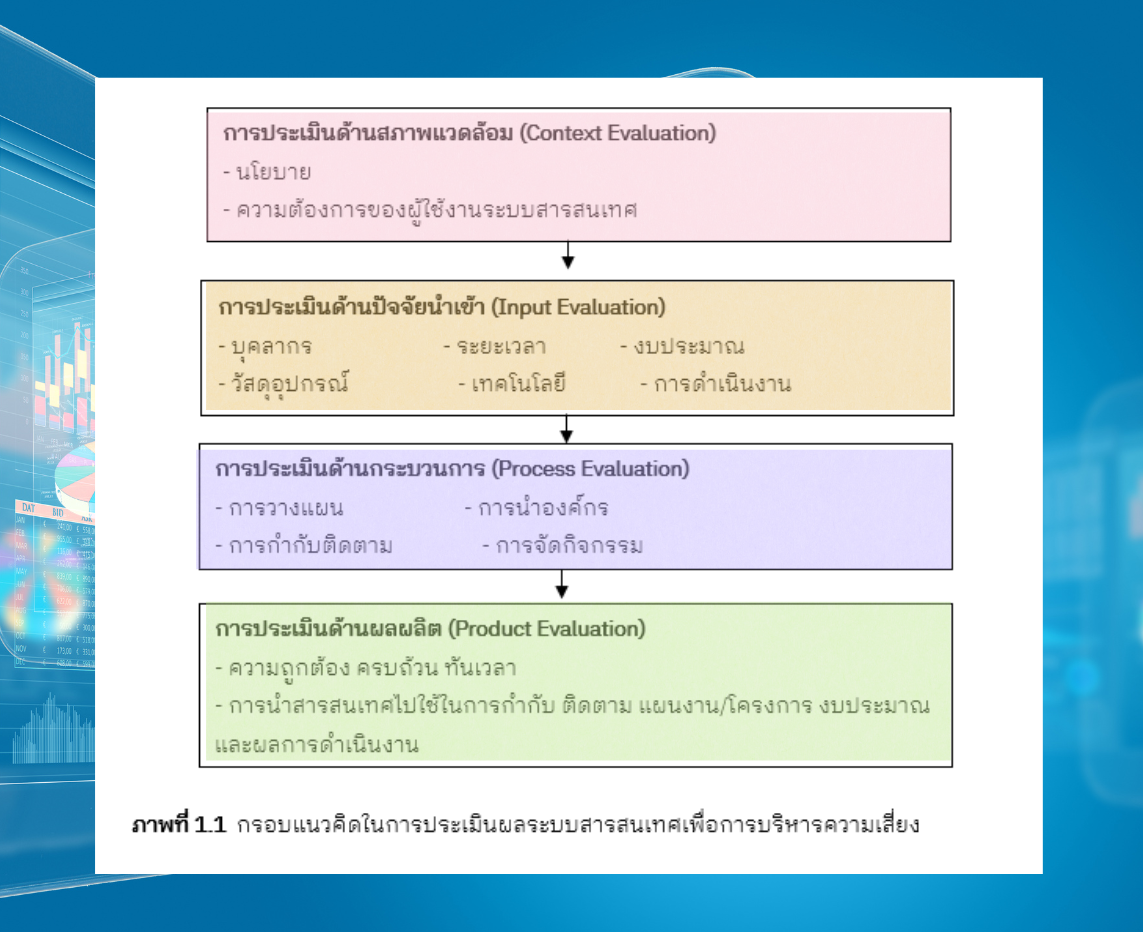
การศึกษานี้มีวัตถุประสงค์เพื่อ (1) เพื่อประเมิน สภาพแวดล้อม ปัจจัยนำเข้า กระบวนการ ผลผลิต ของระบบสารสนเทศเพื่อการบริหารความเสี่ยง และ (2) เพื่อศึกษาปัญหา อุปสรรค และข้อเสนอแนะในการแก้ไขปัญหาระบบสารสนเทศเพื่อการบริหารความเสี่ยงของโรงพยาบาลห้วยพลู จังหวัดนครปฐม ประชากรที่ศึกษา คือ ผู้กำหนดนโยบายของการใช้ระบบสารสนเทศเพื่อการบริหารความเสี่ยงโรงพยาบาล และผู้ปฏิบัติงานที่ใช้งานระบบสารสนเทศเพื่อการบริหารความเสี่ยงโรงพยาบาล จำนวน 145 คน โดยเก็บทุกหน่วยประชากร เครื่องมือที่ใช้ในการวิจัยประกอบด้วย แบบสอบถาม และแบบสัมภาษณ์ที่ผ่านการตรวจสอบความตรงของเนื้อหาโดยผู้ทรงคุณวุฒิ และ มีค่าความเชื่อมั่นสัมประสิทธิ์แอลฟา เท่ากับ 0.8 โดยวิเคราะห์ข้อมูลด้วยการวิเคราะห์เนื้อหา และใช้สถิติ ร้อยละ ค่าเฉลี่ย และค่าเบี่ยงเบนมาตรฐาน ผลการวิจัยพบว่า (1) ผลการประเมินด้านสภาพแวดล้อม ปัจจัยนำเข้า กระบวนการ ผลผลิตของระบบสารสนเทศเพื่อการบริหารความเสี่ยงอยู่ในระดับความคิดเห็นที่มากที่สุด และผ่านเกณฑ์ในทุกด้าน (2) ปัญหา อุปสรรค และข้อเสนอแนะในการแก้ไขปัญหาระบบสารสนเทศเพื่อการบริหารความเสี่ยงโรงพยาบาล พบว่า ปัญหาและอุปสรรคที่สำคัญคือ การรายงานความเสี่ยงในระบบสารสนเทศมีความล่าช้า และขาดการติดตามอย่างต่อเนื่อง รวมถึงไม่มีการประเมินระดับความพึงพอใจของระบบการใช้งาน โดยมีข้อเสนอให้จัดกิจกรรมจำลองเหตุการณ์ หรือสถานการณ์ต่าง ๆ เพื่อให้ผู้เข้าร่วมได้วิเคราะห์และประเมินความเสี่ยงด้วยตนเอง พร้อมทั้งมอบหมายผู้กำกับติดตามอย่างชัดเจน หลังจากการใช้งานระบบต้องมีการประเมินผลความพึงพอใจทุก 6 เดือน เพื่อวางแผนปรับปรุงและพัฒนาต่อไป
เอกสารอ้างอิง
References
Alkin, Marvin C. (1966). Evaluation Theory Development. Los Angeles: U.S.A.
Chao Inyai. (2012). Program Evaluation (2nd edition). Bangkok: Chulalongkorn University Press.
Hakan Tuna, & Melek Başdal. (2021). Curriculum evaluation of tourism undergraduate programs in Turkey: A CIPP model-based framework. Journal of Hospitality, Leisure, Sport & Tourism Education, 29(November), 100324.
Healthcare Quality Accreditation Institute (Public Organization). (2018). New HA Standards:Risk management through risk register. Nonthaburi: Healthcare Quality Assurance Institute.
Healthcare Quality Accreditation Institute (Public Organization). (2021). Hospital and Health Service Standards, Edition 5. Nonthaburi: Institute for Accreditation of Healthcare Facilities. (Public Organization).
Mokhtazadegan, M., Amini, M., Takmil, F., Adamiat, M., & Sarveravan, P. (2015). Inservice trainings for Shiraz University of Medical Sciences employees: effectiveness assessment by using the CIPP model. Journal of Advances in Medical Education & Professionalism, 3(2), 77-83.
Nooshin Mohebbi, Faezeh Akhlaghib, Mohammad Hossein Yarmohammadian,
& Masumeh Khoshgam. (2011). Application of CIPP model for evaluating
the medical records education course at master of science level at Iranian medical sciences universities. Procedia Social and Behavioral Sciences, 15(2), 3286-3290.
Public Health Administration Division Office of the Permanent Secretary, Ministry of Public Health Ministry of Public Health. (2017). Health service system development plan (Service Plan) 2018-2022. Nonthaburi: Public Health Administration Office. Office of the Permanent Secretary, Ministry of Public Health.
Piyanan Senaho. (2020). Development of information systems for services according to the ITIL process of the Digital Technology Center. Phetchaburi Rajabhat University. Phetchaburi: Phetchaburi Rajabhat University.
Phisanu Fongsri. (2007). Educational assessment: concepts into practice. (4th printing). Bangkok: Property Print.
Phongsak Rattanaphong. (2021). Evaluating and improving the efficiency of online sales web applications. Case study: 2S Metal Public Company Limited. (Master of Science Thesis) not published). Prince of Songkla University, Songkhla.
Rattana Buasan. (2013). Qualitative research in education. Bangkok: Chulalongkorn University Press.
Risk Management Committee (2018). Guidelines for risk management and complaints. Nakhon Pathom: Huai Phlu Hospital Nakhon Chai Si District Nakhon Pathom Province.
Risk Management Committee (2018). Program for using the risk management information system at Huai Phlu Hospital. Nakhon Pathom: Huai Phlu Hospital Nakhon Chai Si District Nakhon Pathom Province.
Srinakarin Hospital (2016). Srinakarin Hospital Quality Manual, revised edition. Khon Kaen: Srinakarin Hospital Faculty of Medicine Khon Kaen University.
Sasichan Panjatawee. (2017). Factors affecting the acceptance of information system use, case study. Institute of Physical Education Chiang Mai Campus. (Independent research, Master of Business Administration degree not published). Graduate School Chiang Mai Rajabhat University, Chiang Mai.
Sirilak Ritthaisong. (2017). Hospital risk management. In the context of professional nursing. Journal of Health and Public Health Law, 3(1), (January-April), 79-86.
Siriporn Rojanakoson, Prajat Chaisiri, Thanakorn Kannika, and Wuttichart Sawaengphon. (2021). Development of an information system to assess performance performance for the Faculty of Information and Communication Technology. Journal of Technology Management Maha Sarakham Rajabhat University, 8(1), 21-23.
Somkid Promjui. (2007). Project evaluation techniques. (5th printing). Bangkok: Chatuporn Design.
Supaporn Buaphat. (2017). Guidelines for increasing the potential of student activity management organizations in organizing extra-curricular activities using Design Thinking (Design Thinking). Empowering Organization of Student Affairs by Using Design Thinking (research report). Phayao: Student Affairs Division University of Phayao.
Supamas Angsuchot. (2006). Evaluation of policy, program and project in the subject compendium. Evaluation of policies, plans and projects (Unit 6, pp. 31-34). Nonthaburi: Sukhothai Thammathirat Open University.
Stufflebeam, D.L. (2004). The 21 st century CIPP model.In Alkin, M.C. (Ed.), Evaluation roots : Tracing theorists’ views and influences (pp.276-291). London: SAGE.
Surendran Sankaran & Norazlinda Saad. (2564). Evaluating the Bachelor of Education Program Based on the Context, Input, Process, and Product Model.
Retrieved from https://doi.org/10.3389/feduc.2022.924374.
Tassawich Khamcharoen. (2018). Evaluation of the strategic health management system of agencies under the Songkhla Provincial Public Health Office. (Master of Public Health Thesis not published). Sukhothai Thammathirat Open University, Nonthaburi.
Vaughan, E. J. (1997). Risk management. New York: New Baskervi.
ดาวน์โหลด
เผยแพร่แล้ว
รูปแบบการอ้างอิง
ฉบับ
ประเภทบทความ
สัญญาอนุญาต
ลิขสิทธิ์ (c) 2025 วารสารสาธารณสุขและวิทยาศาสตร์สุขภาพ

อนุญาตภายใต้เงื่อนไข Creative Commons Attribution-NonCommercial-NoDerivatives 4.0 International License.
บทความทุกบทความที่ได้รับการตีพิมพ์ถือเป็นลิขสิทธิ์ของ วารสารสาธารณสุข