ผลของโปรแกรมการมีส่วนร่วมของครอบครัวต่อพฤติกรรมการป้องกันการติดเชื้อผู้ป่วยโรคไตเรื้อรังที่ล้างไตทางช่องท้อง
คำสำคัญ:
การมีส่วนร่วมของครอบครัว, พฤติกรรมการป้องกันการติดเชื้อ, การล้างไตทางช่องท้องบทคัดย่อ
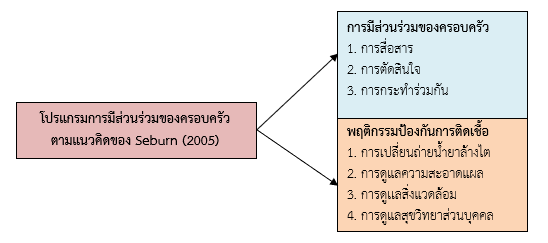
การศึกษาครั้งนี้ เป็นวิจัยกึ่งทดลองแบบหนึ่งกลุ่ม วัดก่อนและหลังการทดลอง วัตถุประสงค์เพื่อศึกษาผลของโปรเเกรมการมีส่วนร่วมของครอบครัวต่อพฤติกรรมการป้องกันการติดเชื้อผู้ป่วยโรคไตเรื้อรังที่ล้างไตทางช่องท้อง กลุ่มตัวอย่าง คือ ผู้ป่วยโรคไตเรื้อรังรักษาด้วยการล้างไตทางช่องท้อง สุ่มกลุ่มตัวอย่างแบบเจาะจง จำนวน 23 คน เครื่องมือที่ใช้เป็นโปรแกรมการมีส่วนร่วมของครอบครัวตามแนวคิดการดูแลร่วมกันของ Sebern วิเคราะห์ข้อมูลด้วยสถิติเชิงพรรณนา Paired t-test และ Wilcoxon signed-rank test
ผลการวิจัยพบว่า หลังการใช้โปรแกรมการมีส่วนร่วมของครอบครัว กลุ่มทดลองมีค่าเฉลี่ยการมีส่วนร่วมของครอบครัวเพิ่มขึ้น (p= 0.002) แต่คะแนนพฤติกรรมการป้องกันการติดเชื้อพฤติกรรมการป้องกันการติดเชื้อก่อนและหลังใช้โปรแกรมไม่มีความแตกต่างในภาพรวม แต่แตกต่างกันในรายด้าน ได้แก่ การเปลี่ยนถ่ายน้ำยาล้างไต (p= 0.005) การดูแลความสะอาดแผล (p < 0.001) การดูแลสิ่งแวดล้อม (p= 0.001) และการดูแลสุขวิทยาส่วนบุคคล (p= 0.014) ตามลำดับ
ฉะนั้น ควรนำโปรเเกรมการมีส่วนร่วมของครอบครัวไปประยุกต์ใช้ในหน่วยไตเทียมของโรงพยาบาลและโรงพยาบาลส่งเสริมสุขภาพตำบลในเครือข่าย เพื่อส่งเสริมการมีส่วนร่วมของครอบครัวในการดูแลผู้ป่วยโรคไตเรื้อรังที่ล้างไตทางช่องท้องให้มีพฤติกรรมการดูแลตนเองเพื่อป้องกันการติดเชื้ออย่างต่อเนื่องและมีประสิทธิภาพ
เอกสารอ้างอิง
Artiwitchayanon, A. (2017). Depression in patients with continuous ambulatory peritoneal dialysis. Burapha Journal of Medicine, 4(2), 67-78. (in Thai)
Chieochanthanakij, R. (2020). Twelve Years CAPD Outcomes in Peritoneal Dialysis Unit of Sawanpracharak Hospital. Sawanpracharak Medical Journal, 17(3), 63-80. (in Thai)
Chirawatkul, A. (2013). Statistics for Health Science Research. Bangkok: Wittayapat. (in Thai)
Faul, F., Erdfelder, E., Lang, A. G., & Buchner, A. (2007). G*Power 3: A Flexible Hillsdale, NJ: Lawrence Erlbaum Associates, Publishers.
Kanjanabuch, T. (2013). Textbook of practical peritoneal dialysis. Bangkok: Chulalongkorn University. (in Thai)
Kongkasaem, C., Lagampan, S., & Chuengsaman, P. (2017). A program enhancing adaptation of patients with end stage renal disease and treatment by continuous ambulatory peritoneal dialysis. Journal of Public Health Nursing, 31(1), 75-89. (in Thai)
Muangthai, S., & Kantabanlang, Y. (2024). End-stage Renal Patients’ Lifestyle after Receiving Continuous Ambulatory Peritoneal Dialysis. Regional Health Promotion Center 9 Journal, 18(2), 679-694. (in Thai)
Pairojkittrakul, S., Harnirattisai, T., & Thitiarchakul, S. (2014). The Effect of a Shared Care-Promoting Program on Shared Care, Nutritional Status and, Exit Site Infection among Continuous Ambulatory Peritoneal Dialysis Patients. Ramathibodi Nursing Journal, 20(3), 325-340. (in Thai)
Pawapotako, J., Kasatpibal, N., & Viseskul, N. (2024). Factors Related to Infection Prevention Practices among Patients Undergoing Continuous Ambulatory Peritoneal Dialysis. Journal of Phrapokklao Nursing College, Chanthaburi, 35(2), 99-113. (in Thai)
Peaschpunpisal, C., Leaungsomnapa, Y., Chanthapech, R., & Pangsree, S. (2018). Self-management for Preventing Peritonitis at Least 18 Months in Patients with Continuous Ambulatory Peritoneal Dialysis (CAPD). Journal of Phrapokklao Nursing College, Chanthaburi, 29(1), 17-28. (in Thai)
Pongkerd, R., & Choowattanapakorn, T. (2016). The Effect of Empowerment Program on Self-Care Behaviors in the Older Persons with Chronic Kidney Disease Receiving Continuous Ambulatory Peritoneal Dialysis. Kuakarun Journal of Nursing, 23(2), 165-182. (in Thai)
Prapaiwong, P., Sriyuktasuth, A., Na Ayuthya, S. K., & Vongsirimas, N. (2015). Factors Influencing Quality of Life in Women Receiving Continuous Ambulatory Peritoneal Dialysis. Princess of Naradhiwas University Journal, 7(3), 37-48. (in Thai)
Promchaiman, J. (2020). The Effects of Self-Management Program on Knowledge, Self-Management Behaviors and Peritonitis in Patients with Chronic Kidney Disease Having Continuous Ambulatory Peritoneal Dialysis. A dissertation submitted in partial fulfillment of the requirement for the Master of Nursing Science (Adult Nursing) College of Nursing, Christian University of Thailand. (in Thai)
Sebern, M. (2005). Shared Care, elder and family member skills used to manage burden. Journal of Advanced Nursing, 52(2), 170-179.
Somboon, K., & Kamsa-ard, S. (2019). Epidemiology and Treatment Outcome of Peritoneal Dialysis (PD)-Related Peritonitis. Mahasarakham Hospital Journal, 16(1), 13-21. (in Thai)
Sriudom, K., Kengganpanich, T., Kengganpanich, M., & Benjakul, S. (2018). Behavioral Modification Program for Continuous Peritoneal Dialysis of Patients with End-Stage Renal Disease. Journal of Health Education, 41(1), 49-61. (in Thai)
Suanpoot, W. (2014). Factors associated with infection in patients with continuous ambulatory peritoneal dialysis, Song District, Phrae Province, Thailand. Journal of Health Science of Thailand, 23(2), 284-289. (in Thai)
The Nephrology Society of Thailand. (2020). Thailand renal replacement therapy: Year 2020. Retrieved November 3, 2023 from https://www.nephrothai.org/wp-content/uploads/ 2022/06/Final-TRT-report-2020.pdf (in Thai)
Theppaengta, A. (2024). Effect of Peritoneal Dialysis Skills Training Program in Patients with End-stage Chronic Kidney Disease who Receive Continuous Ambulatory Peritoneal Dialysis on Behaviour Prevention Peritonitis. Journal of Rajabhat Nursing and Health Sciences, 4(1), 14-26. (in Thai)
Tiawilai, T., & Tantivichitvej, R. (2020). The Incidence and Risk Factors of First Peritonitis Episode in Continuous Ambulatory Peritoneal Dialysis Patients of Photharam Hospital. Region 4-5 Medical Journal, 39(1), 51-64. (in Thai)
Waree, M., Saengpho, N., & Sansuk, J. (2019). The Effect of Enhancing Family Health Management to Prevention Peritonitis Behavior Among Persons with Continuous Ambulatory Peritoneal Dialysis. Nursing, Health, and Education Journal, 2(3), 22-31. (in Thai)
ดาวน์โหลด
เผยแพร่แล้ว
เวอร์ชัน
- 2025-07-15 (3)
- 2025-07-15 (2)
- 2025-06-03 (1)
รูปแบบการอ้างอิง
ฉบับ
ประเภทบทความ
สัญญาอนุญาต
ลิขสิทธิ์ (c) 2025 วิทยาลัยพยาบาลบรมราชชนนี นครศรีธรรมราช

อนุญาตภายใต้เงื่อนไข Creative Commons Attribution-NonCommercial-NoDerivatives 4.0 International License.
บทความที่ได้รับการตีพิมพ์เป็นลิขสิทธิ์ของ วิทยาลัยพยาบาลบรมราชชนนี นครศรีธรรมราช
ข้อความที่ปรากฏในบทความแต่ละเรื่องในวารสารวิชาการเล่มนี้เป็นความคิดเห็นส่วนตัวของผู้เขียนแต่ละท่านไม่เกี่ยวข้องกับวิทยาลัยพยาบาลบรมราชชนนี นครศรีธรรมราช และบุคคลากรท่านอื่น ๆ ในวิทยาลัยฯ แต่อย่างใด ความรับผิดชอบองค์ประกอบทั้งหมดของบทความแต่ละเรื่องเป็นของผู้เขียนแต่ละท่าน หากมีความผิดพลาดใดๆ ผู้เขียนแต่ละท่านจะรับผิดชอบบทความของตนเองแต่ผู้เดียว