ปัจจัยที่มีความสัมพันธ์กับความฉลาดทางอารมณ์ของนักศึกษาหลักสูตรสาธารณสุขศาสตรบัณฑิต สาขาวิชาสาธารณสุขชุมชน คณะสาธารณสุขศาสตร์และสหเวชศาสตร์ สถาบันพระบรมราชชนก
คำสำคัญ:
ความฉลาดทางอารมณ์, แรงจูงใจใฝ่สัมฤทธิ์ด้านการเรียน, ความสามารถในการปรับตัว, นักศึกษาหลักสูตรสาธารณสุขศาสตรบัณฑิตบทคัดย่อ
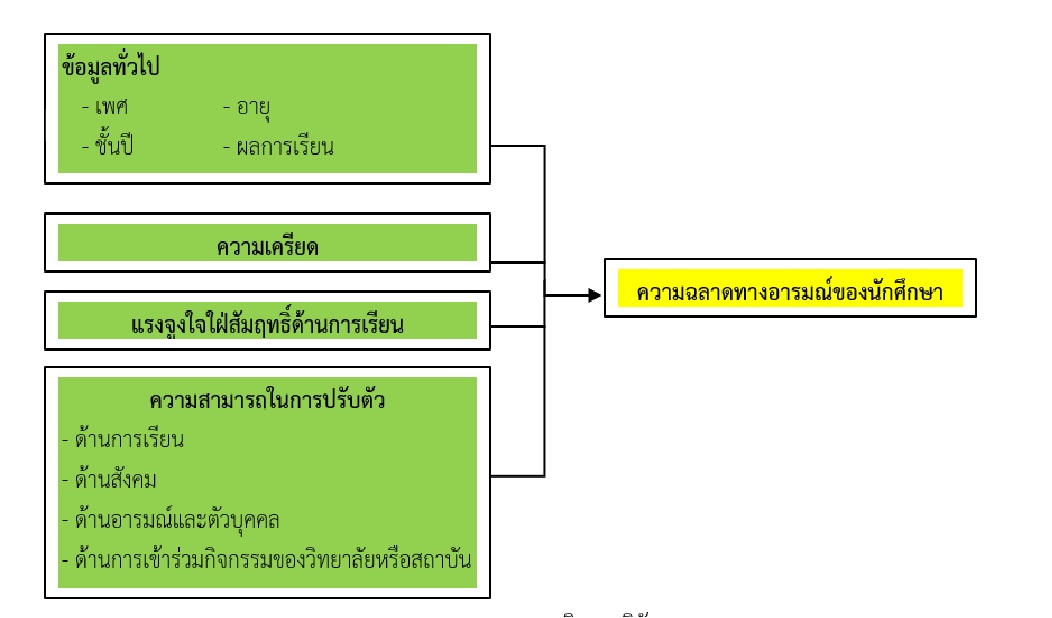
การวิจัยเชิงวิเคราะห์แบบภาคตัดขวางนี้ มีวัตถุประสงค์เพื่อศึกษาความฉลาดทางอารมณ์ และปัจจัยที่มีความสัมพันธ์กับความฉลาดทางอารมณ์ของนักศึกษา กลุ่มตัวอย่างเป็นนักศึกษาหลักสูตรสาธารณสุขศาสตรบัณฑิต ชั้นปีที่ 1 - 4 วิทยาลัยการสาธารณสุขสิรินธร จำนวน 7 แห่ง จำนวน 336 คน โดยการสุ่มแบบหลายขั้นตอนเครื่องมือที่ใช้ในการวิจัยเป็นแบบสอบถามออนไลน์ วิเคราะห์ข้อมูลโดยใช้สถิติเชิงพรรณนา ได้แก่ การแจกแจงความถี่ ค่าร้อยละ ค่าเฉลี่ย ส่วนเบี่ยงเบนมาตรฐาน ค่ามัธยฐาน ค่าต่ำสุด และค่าสูงสุด และสถิติเชิงอนุมาน วิเคราะห์แบบถดถอยพหุลอจิสติก
ผลการวิจัยพบว่า กลุ่มตัวอย่างส่วนใหญ่เป็นเพศหญิง ร้อยละ 81.85 มีอายุระหว่าง 18 - 21 ปี ร้อยละ 66.96 ศึกษาอยู่ชั้นปีที่ 4 ร้อยละ 37.80 มีผลการเรียนระหว่าง 3.0 – 3.55 ร้อยละ 46.43 มีความฉลาดทางอารมณ์
ในระดับสูง ร้อยละ 81.85 คะแนนเฉลี่ย 110.43 (S.D.=12.93) ผลการวิเคราะห์ปัจจัยที่มีความสัมพันธ์กับ
ความฉลาดทางอารมณ์ของนักศึกษา พบว่า ปัจจัยที่มีความสัมพันธ์อย่างมีนัยสำคัญทางสถิติ คือ แรงจูงใจใฝ่สัมฤทธิ์
ด้านการเรียน (ORadj =4.94, 95% CI: 3.14 - 14.10, P-value < 0.001) โดยนักศึกษาที่มีแรงจูงใจใฝ่สัมฤทธิ์ด้านการเรียนระดับสูง มีโอกาสมีความฉลาดทางอารมณ์สูงกว่านักศึกษาที่มีแรงจูงใจใฝ่สัมฤทธิ์ด้านการเรียนระดับต่ำถึงปานกลาง เป็น 4.94 เท่า ความสามารถในการปรับตัว (ORadj =4.49, 95% CI: 2.65 – 12.08, P-value < 0.001) โดยนักศึกษาที่มีความสามารถในการปรับตัวระดับสูง มีโอกาสมีความฉลาดทางอารมณ์สูงกว่านักศึกษาที่มีความสามารถในการปรับตัวระดับต่ำถึงปานกลาง เป็น 4.49 เท่า และเพศ (ORadj =2.22, 95% CI: 1.15 – 9.45, P-value < 0.05) โดยนักศึกษาเพศหญิง มีโอกาสมีความฉลาดทางอารมณ์สูงกว่านักศึกษาเพศชาย เป็น 2.22 เท่า
ดังนั้น การพัฒนาความฉลาดทางอารมณ์ของนักศึกษาควรให้ความสำคัญกับการส่งเสริมแรงจูงใจใฝ่สัมฤทธิ์
ด้านการเรียน และความสามารถในการปรับตัวของนักศึกษา นอกจากนี้ยังควรส่งเสริมการจัดกิจกรรมการบริหารจัดการความเครียดเพื่อส่งเสริมสุขภาวะจิตและประสิทธิภาพการเรียนรู้ให้แก่นักศึกษา
เอกสารอ้างอิง
Atkinson, J. W. (1964). An introduction to motivation. Princeton, NJ: Van Nostrand.
Chanthip, P., Kanokorn, P., Suwaree, P., & Thanita, P. (2020). Factors affecting achievement motivation in nursing students, Faculty of Nursing, Huachiew Chalermprakiet University. Journal of Nursing and Education, 13(1), 98–110.
Bar-On, R. (1988). The development of a concept of psychological well-being (Doctoral dissertation, Rhodes University). Rhodes University.
Bar-On, R. (2000). Emotional and social intelligence: Insights from the Emotional Quotient Inventory (EQ-i). In R. Bar-On & J. D. A. Parker (Eds.), Handbook of emotional intelligence (pp. 363–388). San Francisco, CA: Jossey-Bass.
Best, J. W. (1981). Research in education (4th ed.). Englewood Cliffs, NJ: Prentice-Hall.
Burke, J. D., Loeber, R., & Lahey, B. B. (2007). Adolescent conduct disorder and interpersonal callousness as predictors of psychopathy in young adults. Journal of Child Psychology and Psychiatry, 48(4), 292–300.
Department of Mental Health. (2000). EQ: Emotional intelligence. Bangkok: Mental Health Development Office, Department of Mental Health.
Department of Mental Health, Thailand. (2021, January 1). Stress assessment questionnaire (ST5) [Dataset]. Nonthaburi, Thailand: Department of Mental Health. Retrieved June 10, 2025, from https://catalog.dmh.go.th/dataset/test-st5
El Dahshan, M. E., Elshall, S. E., El-Kholy, S. M., & Dorgham, L. S. (2020). The relationship among emotional intelligence, stress and coping strategies for nursing students. Journal of Nursing Education and Practice, 10(4), 34–45.
Goleman, D. (1995). Emotional intelligence. New York: Bantam Books.
Goleman, D. (1998). Working with emotional intelligence. New York, NY: Bantam Books.
Hsieh, F. Y., Bloch, D. A., & Larsen, M. D. (1998). A simple method of sample size calculation for linear and logistic regression. Statistics in Medicine, 17(14), 1623–1634.
Jeerawan, S., Utsanee, P., Nongyao, C., & Nitita, T. (2021). The emotional quotient of nursing students, Pathum Thani University. Journal of Pathumthani University, 13(2), 34–45. [in Thai]
Kanya, C., Danulada, S., & Kannika, T. (2023). Factors related to emotional intelligence among nursing students of Boromarajonani College of Nursing, Ratchaburi. Journal of Nursing and Education, 36(3), 45–56. [in Thai]
Kitsios, F., Papageorgiou, A., Kamariotou, M., & Perifanis, V. (2022). Emotional intelligence with the gender perspective in health organizations managers. Heliyon, 8(5), e09387. https://doi.org/10.1016/j.heliyon.2022.e09387
Likert, R. (1967). The method of constructing an attitude scale. In Attitude measurement (pp. 90–95). New York, NY: Appleton-Century-Crofts.
McClelland, D. C. (1961). The achieving society. New York, NY: The Free Press.
Mayer, J. D., & Salovey, P. (1997). What is emotional intelligence? In P. Salovey & D. J. Sluyter (Eds.), Emotional development and emotional intelligence: Educational implications (pp. 3–31). New York: Basic Books.
Naruedom, S. (2016). A development of emotional intelligence inventory based on Bar-On revised model for undergraduate students [Master’s thesis, Burapha University]. [in Thai]
Neidniyamart, T., & Wipaporn, P. (2022). The guidelines on emotional quotient development for students of the Faculty of Education, Phuket Rajabhat University. Journal of Education, 9(1), 56–69. [in Thai]
Pimrat, T., & Arpaporn, P. (2019). Emotional intelligence and risk behaviors in adolescents. Journal of Nursing Science, 37(2), 45–56. [in Thai]
Praboromarajchanok Institute. (2021). Bachelor of Public Health program in community public health curriculum (Revised B.E. 2564 [2021]) [in Thai]. Sirindhorn College of Public Health, Trang.
Praboromarajchanok Institute. (2023). Annual report 2023 [in Thai]. Bangkok, Thailand: Ministry of Public Health.
Rogers, C. R. (1967). Psychotherapy and personality change. Chicago, IL: University of Chicago Press.
Sukanya, P., & Kritkantorn, W. (2024). Emotional intelligence of nursing students in a private university, Udon Thani. Journal of Nursing and Health Care, 15(2), 10–21. [in Thai]
Suphakit, T., Chommanard, K., Pavimon, P., & Wipada, P. (2024). Factors related to emotional intelligence of nursing students, Pibulsongkram Rajabhat University. Journal of Nursing Education, 38(1), 22–33. [in Thai]
The Institute of the Royal Patronage Act, B.E. 2562 (2019). The Institute of the Royal Patronage Act, B.E. 2562 (2019) [in Thai]. Royal Gazette, 136(43 ก), 40–65.
Userow, L., Yeepaloh, M., Kajornkittiya, K., & Bunlap, P. (2021). Factors related to adaptations of the first-year nursing students studying at a nursing college in a southern border province of Thailand. Journal of Nursing and Health Research (JNHR), 22(3), 135–146.
Valaiporn, S., Sukhum, C., & Chanasuek, N. (2021). Factors affecting emotional intelligence: [A literature review]. Journal of Nursing, 40(2), 25–38. [in Thai]
Wannee, K., Boonmee, P., & Srismorn, S. (2023). The achievement motivation and vocational students. Journal of Vocational Education, 12(3), 78–90. [in Thai]
Wichian, P., Khemaree, S., Jirassak, S., & Issaraporn, K. (2023). Factors affecting emotional quotient development of Rajamangala University of Technology Thanyaburi students. Journal of Higher Education Research, 46(2), 56–68. [in Thai]
ดาวน์โหลด
เผยแพร่แล้ว
รูปแบบการอ้างอิง
ฉบับ
ประเภทบทความ
สัญญาอนุญาต
ลิขสิทธิ์ (c) 2026 วิทยาลัยพยาบาลบรมราชชนนี นครศรีธรรมราช

อนุญาตภายใต้เงื่อนไข Creative Commons Attribution-NonCommercial-NoDerivatives 4.0 International License.
บทความที่ได้รับการตีพิมพ์เป็นลิขสิทธิ์ของ วิทยาลัยพยาบาลบรมราชชนนี นครศรีธรรมราช
ข้อความที่ปรากฏในบทความแต่ละเรื่องในวารสารวิชาการเล่มนี้เป็นความคิดเห็นส่วนตัวของผู้เขียนแต่ละท่านไม่เกี่ยวข้องกับวิทยาลัยพยาบาลบรมราชชนนี นครศรีธรรมราช และบุคคลากรท่านอื่น ๆ ในวิทยาลัยฯ แต่อย่างใด ความรับผิดชอบองค์ประกอบทั้งหมดของบทความแต่ละเรื่องเป็นของผู้เขียนแต่ละท่าน หากมีความผิดพลาดใดๆ ผู้เขียนแต่ละท่านจะรับผิดชอบบทความของตนเองแต่ผู้เดียว