ประสบการณ์และความท้าทายของพยาบาลในการดูแลผู้ป่วยโรคจิตเภท ที่มีการใช้สารเสพติดร่วม ในบริบทพหุวัฒนธรรม
Keywords:
Experiences, Nurses, Schizophrenia with Co-occurring Substance Use, MulticulturalismAbstract
Abstract
This qualitative research aimed to explore the experiences and challenges of nurses caring for patients with schizophrenia and co-occurring substance use disorders within the context of a psychiatric inpatient ward in Yala Province. The purposive sample consisted of seven registered nurses with at least two months of experience in caring for dual-diagnosis patients at the Ratchaphruek Ward, Yala Tertiary Hospital. Data were collected through focus group discussions using a five-point semi-structured interview guide. Data analysis was conducted using the Content Analysis method.
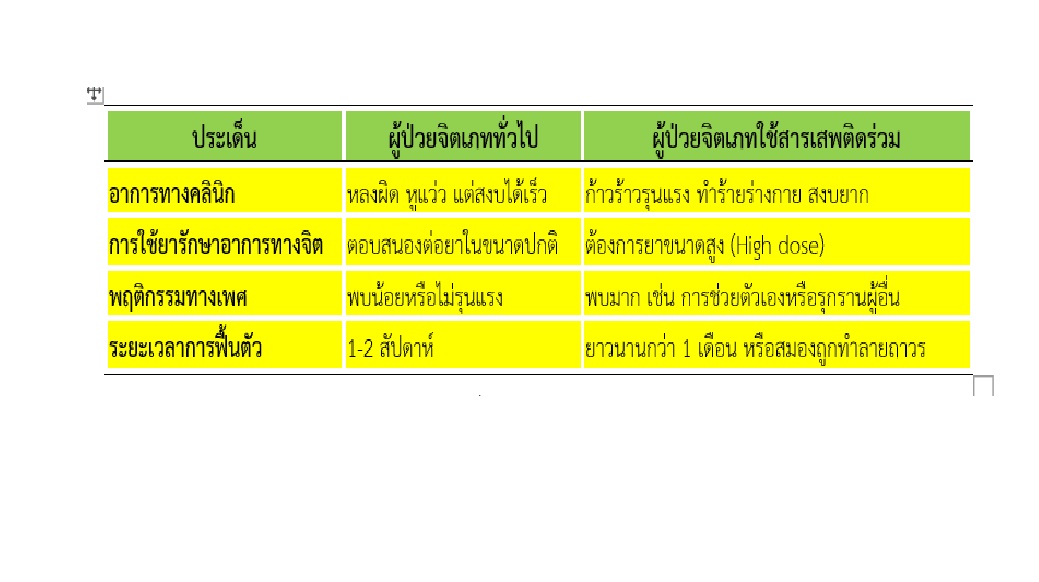
Research Findings: The demographic data revealed that the majority of participants were female (71.43%), aged between 35–45 years (71.43%), and identified as Muslim (85.71%). Furthermore, 57.14% had 2–5 years of experience in psychiatric nursing, while 57.13% had not received specialized training. Key challenges were categorized into four distinct phases: Admission Phase: Incomplete substance use histories due to insufficient information provided by relatives. In-patient Care Phase: Management of aggressive behaviors, inappropriate sexual conduct, and complexities regarding medication dosage adjustment. Discharge Phase: Family anxiety regarding safety and subsequent refusal of patient reintegration. And Follow-up Phase: Environmental factors facilitating easy access to cannabis and kratom. In this multicultural context, nurses must integrate religious beliefs with nursing care to foster acceptance and treatment adherence.
Recommendations: The findings suggest a critical need for Clinical Nursing Practice Guidelines (CNPG) tailored to the local cultural context. Enhancing cross-cultural competence by integrating religious dimensions and local beliefs is essential to mitigate conflict and improve therapeutic cooperation. Additionally, a robust continuous care support system should be established through collaborative networks with religious and community leaders to enhance safety and ensure sustainable treatment efficacy.
Keywords: Experiences, Challenges, Nurses, Schizophrenia with Substance Use Disorder, Multicultural
References
กองทุนสนับสนุนการสร้างเสริมสุขภาพ. (2567). เผยสถิติคนไทยป่วยจิตเวชพุ่งเกือบ 3 ล้านคน คาด 1ใน 5 เกี่ยวโยง ปัจจัยยาเสพติด. ศูนย์บริการข้อมูลดิจิทัล สสส.https://dol.thaihealth.or.th/Media/Index/dff4f087-7df0-ee11-8103-00155d1aab6f
พรรนอ กลิ่นกุหลาบ, วิมลพรรณ โชติแสงทอง, อัญชิษฐา นุ่มโต และสมบัติ มากัน. (2563). ประสิทธิผลของการพัฒนามาตรฐานการพยาบาลผู้ติดยาและสารเสพติดผู้ป่วยหนัก. วารสารกรมการแพทย์, 45(2), 191–199. https://he02.tci-thaijo.org/index.php/ JDMS/article/view/245627.
พิชญนันท์ นามวงษ์, และ วิญญู ชะนะกุล. (2561). ปัจจัยที่มีความสัมพันธ์กับการกลับมารักษาซ้ำใน 28 วันของผู้ป่วยโรคจิตเภท สถาบันจิตเวชศาสตร์สมเด็จเจ้าพระยา. วารสารสถาบันจิตเวชศาสตร์สมเด็จเจ้าพระยา, 12(2), 1–11. https://he01.tci-thaijo.org/index.php/journalsomdetchaopraya/article/view/188534
มูฮัมหมัด ยะโกะ, พรรณวดี ศรีวิจิตร, และ ซูฮัยละห์ บินมามะ. (2567). อัตลักษณ์ทางภาษาและวัฒนธรรมในพื้นที่พหุวัฒนธรรมชายแดนใต้. วารสารมนุษยศาสตร์และสังคมศาสตร์ มหาวิทยาลัยนราธิวาสราชนครินทร์, 11(1), 45–58.
ทรงพล โลดทนงค์. (2566). ความชุกและปัจจัยที่เกี่ยวข้องกับการเปลี่ยนวินิจฉัยเป็นโรคจิตเภทในผู้ที่เป็นโรคจิตจากสารเสพติด บริบทชนบทในจังหวัดอุบลราชธานี. วารสารสมาคมจิตแพทย์แห่งประเทศไทย, 68(4), 412–421. https://he01.tci-thaijo.org/index.php/JPAT/issue/view/17661/5104
ทิพย์วิมล ตั้งชูทวีทรัพย์, พุทธิพร พงศ์นันทกุลกิจ, และ สุภาพ ขวัญพูล. (2568). การพัฒนารูปแบบการดูแลผู้ป่วยจิตเวชใช้สารเสพติดที่มีความเสี่ยงสูงต่อการก่อความรุนแรง โดยกระบวนการมีส่วนร่วมของภาคีเครือข่าย จังหวัดจันทบุรี. วารสารพยาบาลทหารบก, 26(2), 290–299.
โรงพยาบาลจิตเวชสงขลาราชนครินทร์. (2568). รายงานประจำปีสถานการณ์สุขภาพจิตและผู้ป่วยจิตเวชยาเสพติด เขตสุขภาพที่ 12. กรมสุขภาพจิต.
อังคณา วังทอง, กิตติพัฒน์ ทุติยาสานติ์, ฮาลาวาตี สนิหวี, นครินทร์ สุวรรณแสง, และ สุจิไกร คงกระจ่าง. (2568). การพัฒนารูปแบบการจัดการรายกรณีตามหลักศาสนาอิสลามด้วยระบบเทคโนโลยีดิจิทัลเพื่อลดระดับพฤติกรรมก้าวร้าวรุนแรงแก่ผู้ป่วยจิตเวชที่มีอาการป่วยทางจิตขั้นรุนแรงและมีความเสี่ยงสูงต่อการก่อความรุนแรง. วารสารพยาบาล, 74(4), 41–49.
Alharthi, M. A., Al-Raddadi, R. M., & Alfakeh, S. A. (2025). Predictors for readmission risk in schizophrenia:
Insights from a Saudi Arabian cohort. Frontiers in Psychiatry, 16, Article 1593653. https://doi.org/10.3389/fpsyt.2025.1593653
Ayano, G. (2019). Co-occurring medical and substance use disorders in patients with schizophrenia: A systematic review. International Journal of Mental Health, 48(1), 62–76. https://doi.org/10.1080/00207411.2019.1581047
Daliri, D. B., Laari, T. T., Abagye, N., & Afaya, A. (2023). Exploring the experiences of mental health nurses in the management of schizophrenia in the Upper East Region of Ghana: A qualitative study. BMC Nursing, 22, Article 345. https://doi.org/10.1186/s12912-023-01509-3
Genis, B., & Cosar, B. (2020). Duration of hospital stay in alcohol/substance addictions and psychiatric
disorders: A 12-year retrospective analysis. Hospital Practices and Research, 5(1), 3–9. https://doi.org/10.34172/hpr.2020.02
Hariman, K., Cheng, K. M., Lam, J., Leung, S. K., & Lui, S. S. Y. (2020). Clinical risk model to predict 28-day unplanned readmission via the accident and emergency department after discharge from acute psychiatric units for patients with psychotic spectrum disorders. BJPsych Open, 6(1), Article e13. https://doi.org/10.1192/bjo.2019.97
Hunt, G. E., Large, M. M., Cleary, M., Lai, H. M., & Saunders, J. B. (2020). Prevalence of comorbid substance use in schizophrenia spectrum disorders in outpatient and clinical samples, 1990–2017: A systematic review and meta-analysis. Drug and Alcohol Dependence, 212, Article 108061. https://doi.org/10.1016/j.drugalcdep.2020.108061
Kavittha, S., Noorthie, N., & Rosdinom, R. (2022). Substance use and its clinical correlates among patients with schizophrenia. Malaysian Journal of Medicine and Health Sciences, 18(2), 85–92.
Kelkar, P., Vankar, G. K., Mishra, K. K., John, S. A. L., & Ghogare, A. S. (2020). Prevalence of substance abuse in patients with schizophrenia. Journal of Clinical and Diagnostic Research, 14(10), VC01–VC04. https://doi.org/10.7860/JCDR/2020/45318.14115
King, I. M. (1981). A theory for nursing: Systems, concepts, process. John Wiley & Sons.Leininger, M. (2002). Culture care theory: A major contribution to advance transcultural nursing knowledge and practices. Journal of Transcultural Nursing, 13(3), 189-192. https://doi.org/10.1177/104365960201300301
Neyra, A., Parro-Torres, C., Ros-Cucurull, E., Carrera, I., Echarri, E., & Torrens, M. (2024). Management of schizophrenia and comorbid substance use disorders: Expert review and guidance. Annals of General Psychiatry, 23(1), Article 40.
https://doi.org/10.1186/s12991-024-00519-7
World Health Organization. (2025). Schizophrenia. https://www.who.int/news-room/fact-sheets/detail/schizophrenia.
Downloads
Published
How to Cite
Issue
Section
License
Copyright (c) 2026 Boromarajonani College of Nursing, Nakhon Si Thammarat

This work is licensed under a Creative Commons Attribution-NonCommercial-NoDerivatives 4.0 International License.
บทความที่ได้รับการตีพิมพ์เป็นลิขสิทธิ์ของ วิทยาลัยพยาบาลบรมราชชนนี นครศรีธรรมราช
ข้อความที่ปรากฏในบทความแต่ละเรื่องในวารสารวิชาการเล่มนี้เป็นความคิดเห็นส่วนตัวของผู้เขียนแต่ละท่านไม่เกี่ยวข้องกับวิทยาลัยพยาบาลบรมราชชนนี นครศรีธรรมราช และบุคคลากรท่านอื่น ๆ ในวิทยาลัยฯ แต่อย่างใด ความรับผิดชอบองค์ประกอบทั้งหมดของบทความแต่ละเรื่องเป็นของผู้เขียนแต่ละท่าน หากมีความผิดพลาดใดๆ ผู้เขียนแต่ละท่านจะรับผิดชอบบทความของตนเองแต่ผู้เดียว