ความปลอดภัยของยาจากสมุนไพรในบัญชียาหลักแห่งชาติ
คำสำคัญ:
safety, herbal medicines, National List of Essential Medicines, heavy metals, micro-organismsบทคัดย่อ
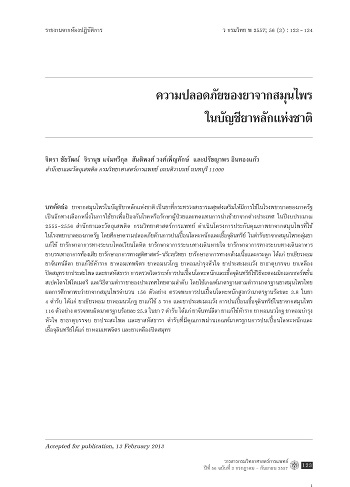
ยาจากสมุนไพรในบัญชียาหลักแห่งชาติ เป็นยาที่กระทรวงสาธารณสุขส่งเสริมให้มีการใช้ในโรงพยาบาลของภาครัฐ เป็นอีกทางเลือกหนึ่งในการใช้ยาเพื่อป้องกันโรคหรือรักษาผู้ป่วยและทดแทนการนำเข้ายาจากต่างประเทศ ในปีงบประมาณ 2555-2556 สำนักยาและวัตถุเสพติด กรมวิทยาศาสตร์การแพทย์ ดำเนินโครงการประกันคุณภาพยาจากสมุนไพรที่ใช้ในโรงพยาบาลของภาครัฐ โดยศึกษาความปลอดภัยด้านการปนเปื้อนโลหะหนักและเชื้อจุลินทรีย์ ในตำรับยาจากสมุนไพรกลุ่มยาแก้ไข้ ยารักษาอาการทางระบบไหลเวียนโลหิต ยารักษาอาการระบบทางเดินหายใจ ยารักษาอาการทางระบบทางเดินอาหาร ยาบรรเทาอาการท้องเสีย ยารักษาอาการทางสูติศาสตร์-นรีเวชวิทยา ยารักษาอาการทางกล้ามเนื้อและกระดูก ได้แก่ ยาเขียวหอม ยาจันทน์ลีลา ยาแก้ไข้ห้าราก ยาหอมเทพจิตร ยาหอมนวโกฐ ยาหอมบำรุงหัวใจ ยาประสะมะแว้ง ยาธาตุบรรจบ ยาเหลืองปิดสมุทร ยาประสะไพล และยาสหัสธารา การตรวจวิเคราะห์การปนเปื้อนโลหะหนักและเชื้อจุลินทรีย์ใช้วิธีอะตอมมิกแอบซอร์พชั่นสเปคโตรโฟโตเมตรี และวิธีตามตำรายาของประเทศไทยตามลำดับ โดยใช้เกณฑ์มาตรฐานตามตำรามาตรฐานยาสมุนไพรไทย ผลการศึกษาพบว่ายาจากสมุนไพรจำนวน 156 ตัวอย่าง ตรวจพบการปนเปื้อนโลหะหนักสูงกว่ามาตรฐานร้อยละ 3.8 ในยา 4 ตำรับ ได้แก่ ยาเขียวหอม ยาหอมนวโกฐ ยาแก้ไข้ 5 ราก และยาประสะมะแว้ง การปนเปื้อนเชื้อจุลินทรีย์ในยาจากสมุนไพร 116 ตัวอย่าง ตรวจพบผิดมาตรฐานร้อยละ 25.9 ในยา 7 ตำรับ ได้แก่ ยาจันทน์ลีลา ยาแก้ไข้ห้าราก ยาหอมนวโกฐ ยาหอมบำรุงหัวใจ ยาธาตุบรรจบ ยาประสะไพล และยาสหัสธารา ตำรับที่มีคุณภาพผ่านเกณฑ์มาตรฐานการปนเปื้อนโลหะหนักและเชื้อจุลินทรีย์ได้แก่ ยาหอมเทพจิตร และยาเหลืองปิดสมุทร
เอกสารอ้างอิง
คณะกรรมการแห่งชาติด้านยา. บัญชียาจากสมุนไพร พ.ศ. 2549 ตามประกาศคณะกรรมการแห่งชาติด้านยา (ฉบับที่ 5) พ.ศ. 2549 เรื่องบัญชียาหลักแห่งชาติ พ.ศ. 2547 (ฉบับที่ 4). กรุงเทพฯ : ชุมนุมสหกรณ์การเกษตร แห่งประเทศไทย; 2549.
อรวรรณ พู่พิสุทธิ์, ศุลีพร แสงกระจ่าง. ความเป็นพิษของขยะอิเล็กทรอนิกส์. วารสารพิษวิทยาไทย 2553; 25(1): 67-76.
ทรงพล โต้ชารี. โลหะหนักที่มีพิษต่อสุขภาพ. สำนักจัดการคุณภาพน้ำ กรมควบคุมมลพิษ [วารสารออนไลน์]. พฤศจิกายน 2555; [สืบค้น 5 มีนาคม 2557]; [8 หน้า]. เข้าถึงได้จาก : URL: http://eic.wu.ac.th/Data_Download/Research/Metals%20toxic.pdf
นันทนา สิทธิชัย. มาตรฐานของสมุนไพรในตำรามาตรฐานสมุนไพรไทย. วารสารสมุนไพรไทย 2547; 11(1): 21-32.
ลัดดา พูลสวัสดิ์, สันติพงษ์ วงศ์เพ็ญทักษ์, สมมาตร์ กลมกลิ้ง. การสำรวจปริมาณเชื้อ Clostridium perfringens ในยาแผนโบราณ. ใน : การประชุมวิชาการกรมวิทยาศาสตร์การแพทย์ ครั้งที่ 15 เรื่องวิทยาศาสตร์การแพทย์ เพื่อความมั่นคง สุขภาพ. นนทบุรี : กรมวิทยาศาสตร์การแพทย์ กระทรวงสาธารณสุข; 2550. หน้า 133.
Department of Medical Sciences. Thai herbal pharmacopoeia Vol. III. Nonthaburi: Department of Medical Sciences, Ministry of Public Health; 2009.
พระราชบัญญัติยา พ.ศ. 2510 ประกาศสำนักงานคณะกรรมการอาหารและยา เรื่อง หลักเกณฑ์การพิจารณาขึ้นทะเบียนตำรับยาแผนโบราณเกี่ยวกับมาตรฐานการปนเปื้อนเชื้อจุลินทรีย์และโลหะหนัก ราชกิจจานุเบกษา เล่มที่ 121 ตอนพิเศษ 43 ง (ลงวันที่ 21 เมษายน 2547).
วิมล สุวรรณเกษาวงศ์. คุณภาพและความปลอดภัยของยาแผนโบราณ : ปัญหาการใช้ยาแผนโบราณ. วารสารพิษวิทยาไทย 2552; 24(2): 18-9.
สำนักยาและวัตถุเสพติด. รายงานประจำปี 2554. นนทบุรี : กรมวิทยาศาสตร์การแพทย์ กระทรวงสาธารณสุข; 2554.
Bureau of Drug and Narcotic. Department of Medical Sciences. Determination of Heavy Metal Contamination in Traditional medicine. SOP No. 2202168. revision 0; July 2013: 1-8.
Department of Medical Sciences. Thai Pharmacopoeia, Supplement 2010. Nonthaburi: Department of Medical Sciences, Ministry of Public Health; 2010.
คณะกรรมการแห่งชาติด้านยา. คู่มือการใช้ยาจากสมุนไพรในบัญชียาหลักแห่งชาติ พ.ศ. 2555. กรุงเทพฯ : ชุมนุมสหกรณ์การเกษตรแห่งประเทศไทย; 2555.
ชนิพรรณ บุตรยี่, พัชนี อินทรลักษณ์. รูปแบบการประเมินความเสี่ยงสำหรับการกำหนดมาตรฐานการปนเปื้อนโลหะหนักในผลิตภัณฑ์เสริมอาหาร. วารสารพิษวิทยาไทย 2552; 24(1): 47-60.
กองวิจัยและพัฒนาสมุนไพร. แนวทางการผลิตวัตถุดิบสมุนไพร. นนทบุรี : กรมวิทยาศาสตร์การแพทย์ กระทรวงสาธารณสุข; 2538.
World Health Organization. WHO guidelines on good manufacturing practices (GMP) for herbal medicines. Genava, Switzerland: WHO; 2007.
ดาวน์โหลด
เผยแพร่แล้ว
รูปแบบการอ้างอิง
ฉบับ
ประเภทบทความ
สัญญาอนุญาต

อนุญาตภายใต้เงื่อนไข Creative Commons Attribution-NonCommercial-NoDerivatives 4.0 International License.